
 en
en






Asbestos in Spanish Construction: What You Need to Know About History, Legislation, and Removal
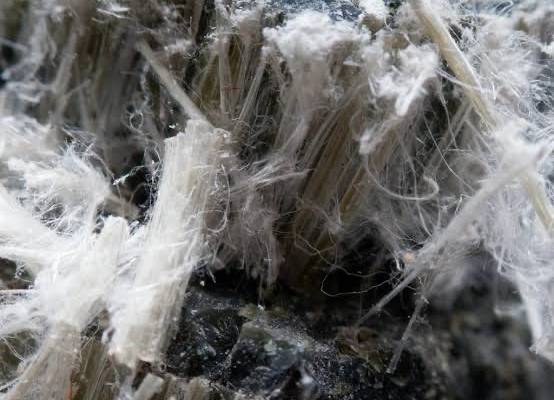
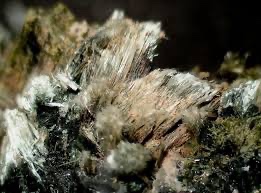
Yes, asbestos (known in Spanish as amianto or fibrocemento / uralita) was also widely used in construction in Spain in the past.
According to data from the Spanish construction and demolition sector (such as specialized technical platforms and hazardous waste regulations), the situation is as follows:
1. Period of Use
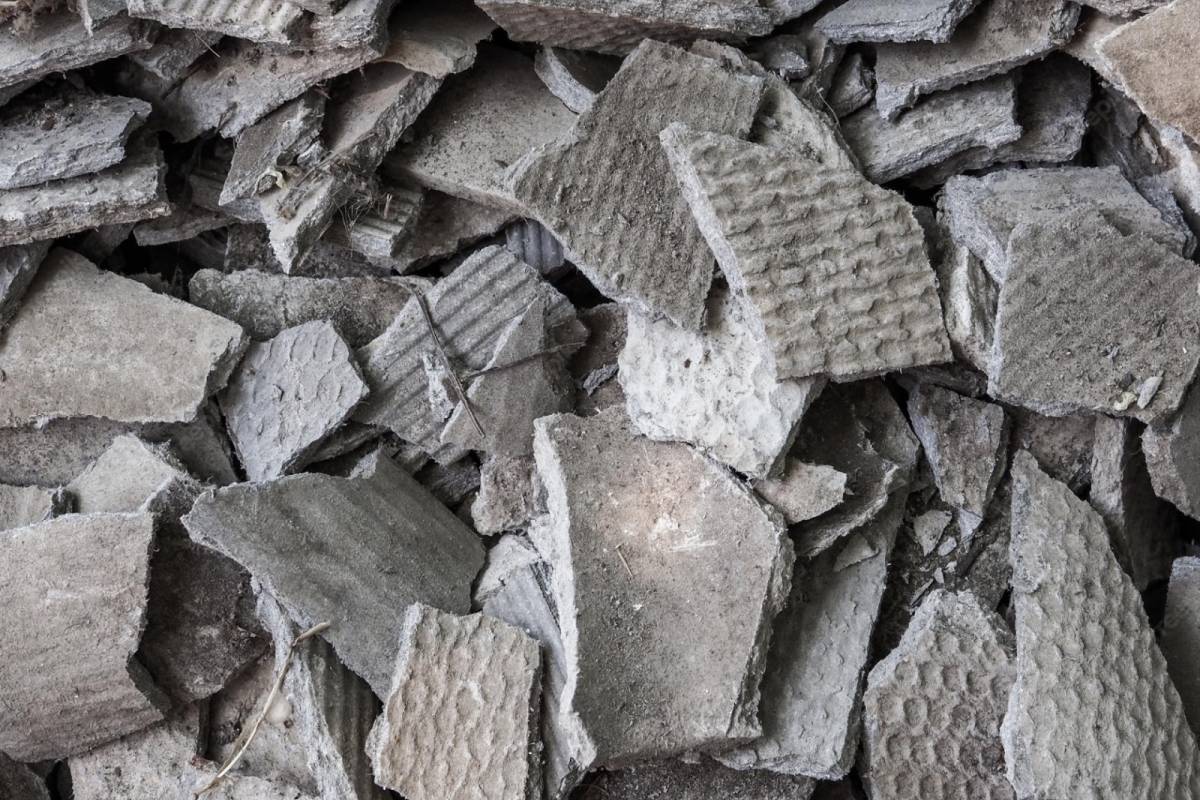
Asbestos was intensively used in Spain from the 1960s until the early 1990s. The material was primarily processed into corrugated roofing sheets (known by the brand name Uralita), water tanks, facade cladding, drainage pipes, and insulation materials.
2. Legislation and Ban
- The Ban: Spain definitively banned the production, commercialization, and installation of asbestos-containing materials by December 2002 (via a ministerial order in accordance with European directives). Certain types (such as blue and brown asbestos) were already banned earlier, in the 1980s and 1990s.
- Lifespan: Specialized construction engineering sources estimate the useful lifespan of encapsulated or compressed fiber cement (asbestos-cement) to be approximately 30 to 35 years. Because its use stopped in 2002, this means that almost all remaining asbestos structures in Spain have now exceeded their maximum technical lifespan or are in a phase of degradation.
3. Obligation for Removal
Contrary to popular belief, Spanish legislation (such as waste and public health regulations) does not automatically mandate the immediate removal of ordinary asbestos that is in good condition. However, removal is strictly mandatory when:
- The material shows signs of deterioration, breakage, or wear (which could release fibers).
- Major renovations or demolition work are carried out on a property; in that case, the asbestos must be removed beforehand by a specialized and certified company before a demolition permit can be issued.
Image gallery
Share