
 en




Spain Welcomes 14 New ‘Lugares Mágicos’: From Gaudí’s Palace to the Source of the Ebro
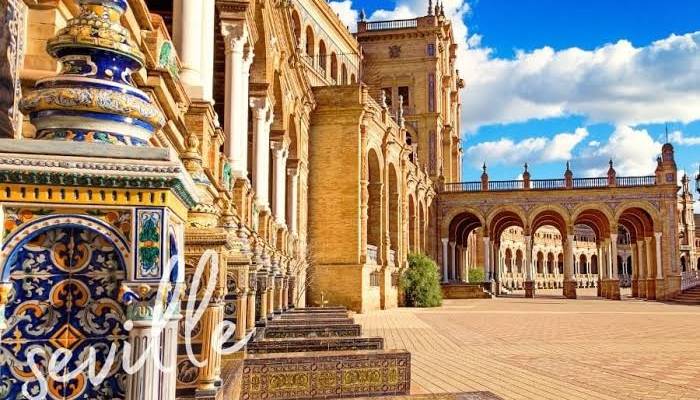
Spain has added 14 new ‘Lugares Mágicos’ (Magical Places), expanding the network from 18 to 32 destinations. From a bishop’s palace designed by Antoni Gaudí to a Roman theatre and the source of the Ebro River, these new additions highlight some of Spain’s most remarkable historical, cultural and natural sites.
The new distinctions were announced at the sixth National Meeting of Magical Towns (VI Encuentro Nacional de Pueblos Mágicos), held from 23 to 25 October in Padrón, in the province of A Coruña. More than 350 participants, including local officials, experts and tourism professionals, attended the event. The Ecosistema Mágico de España used the occasion to welcome 14 new destinations into its network.
Alongside the well-known Pueblos Mágicos (Magical Towns), Spain also has the Los Pueblos Más Bonitos de España initiative, which highlights the country’s most beautiful villages. This latter network attracted more than 40 million visitors in 2025, including growing numbers of Dutch and Belgian travellers. The Lugares Mágicos focus on individual monuments, historic buildings, gardens, natural sites and distinctive landscapes.
Which Roman and prehistoric sites have been added?
According to Pueblos Mágicos de España, the new selection covers a wide range of historical heritage, natural scenery, water landscapes and places shaped by human activity.
One of the best-known additions is the Roman Theatre of Mérida, in the province of Badajoz. More than 2,000 years old, the theatre once accommodated thousands of spectators. It remains an important part of the city’s cultural life, hosting classical performances during the summer festival season.
The town of Medellín, also in Badajoz, has its own Roman theatre, set against the hillside beneath its castle. Medellín is also the birthplace of Hernán Cortés.
In the province of Burgos, the focus turns to human origins. The Museum of Human Evolution and the archaeological sites of the Sierra de Atapuerca offer remarkable insights into our past. Atapuerca has been a UNESCO World Heritage Site since 2000.
In Álava, the Añana Salt Valley (Valle Salado de Añana) has also received the distinction. This historic landscape features terraces, channels and traditional installations used for salt production over many centuries. According to Noticias de Álava, 242 applications were submitted this year, with 14 selected.
Which palaces and churches have received the distinction?
One of the most striking new additions is the Episcopal Palace of Astorga, in the province of León. Designed by Catalan architect Antoni Gaudí, this remarkable building is one of the city’s most distinctive architectural landmarks.
The Palace of the Marquis of Santa Cruz, in Viso del Marqués in the province of Ciudad Real, has also joined the network. This Renaissance palace has strong links to Spain’s maritime history.
In Madrigal de las Altas Torres, in the province of Ávila, the Palace of Juan II recalls the Castilian court and Isabella I of Castile, better known as Isabella the Catholic, who was born in the town.
In Andalusia, the Cathedral of the Assumption of the Virgin in Jaén has also been recognised. This impressive Renaissance cathedral is an important example of Spanish religious architecture. Its design also inspired churches in Mexico City and Puebla. Jaén is seeking UNESCO World Heritage status for the cathedral as well.
Nearby, in Arjona, the Crypt of the Baron of Velasco is a striking Neo-Byzantine burial chamber surrounded by Andalusia’s olive groves.
Which natural areas and landscapes have been added?
The new selection also includes destinations where nature and culture come together.
The Tabernas Desert, in the province of Almería, is a dramatic, arid landscape of ravines and barren hills. Since the 1950s, it has served as a film location, including for famous westerns. It is one of Spain’s most recognisable cinematic landscapes.
On the Galician coast, Cape Finisterre, near Fisterra, is a rocky headland jutting into the Atlantic Ocean. For many pilgrims, it is a meaningful destination to visit after reaching Santiago de Compostela.
In Fontibre, Cantabria, lies the traditional source of the Ebro, the longest river that flows entirely within Spain. The surrounding area is an appealing stop for travellers exploring the natural beauty of northern Spain.
The Iznájar Reservoir, a large artificial lake in the province of Córdoba, is another new addition. Its expansive waters contrast beautifully with the whitewashed village of Iznájar, perched above the shoreline.
In Luarca, Asturias, the La Fonte Baxa woodland garden completes the selection. This unusual garden combines a rich variety of plants with art and viewpoints overlooking the Cantabrian Sea.
A new way to discover Spain beyond the usual tourist routes
The 14 new Lugares Mágicos demonstrate just how much Spain has to offer beyond its famous cities and beaches. From Roman theatres and Renaissance palaces to cinematic deserts, historic salt terraces and lush gardens, every destination has a story to tell.
Travellers planning a holiday in Spain can combine these sites with a road trip through the interior or a stay along the coast. The medieval town of Albarracín, which recently ranked as Spain’s highest-rated village, could also make an excellent addition to such an itinerary.
It is an invitation to discover another side of Spain: a country rich in history, surprising landscapes and extraordinary places waiting to be explored beyond the well-trodden tourist trails.
Image gallery
Share