
 en




Description
Origins and History
Fuengirola has a rich and layered history dating back thousands of years. The city’s origins lie with the Phoenicians, who established a trading settlement named Suel. The Phoenician navigators chose this location for its strategic position at the mouth of the river and its proximity to the Mediterranean Sea.
After the Phoenicians, the Romans took over the area. Under Roman rule, Suel grew into an important hub for the production of garum (a fermented fish sauce highly prized in the Roman Empire) and the salted fish industry. Numerous archaeological finds from this period remain, including the ruins of the Roman villa Yacimiento Arqueológico Finca del Secretario.
In the 8th century, the Moors conquered the Iberian Peninsula and renamed the settlement Sohail (or Suhayl). They built the iconic Castillo de Sohail on a hill at the mouth of the river to protect the coast from sea raids. At the end of the 15th century, during the Reconquista, Christian forces led by the Catholic Monarchs captured the fortress.
Over the following centuries, the name gradually evolved through Font-Jirona to today’s Fuengirola. Until the mid-20th century, Fuengirola remained a modest fishing village relying on sardine catches and the cultivation of olives, figs, and almonds. From the 1960s onward, the town transformed into one of the main tourist destinations on the Costa del Sol due to the boom in mass tourism.
Location and Geography
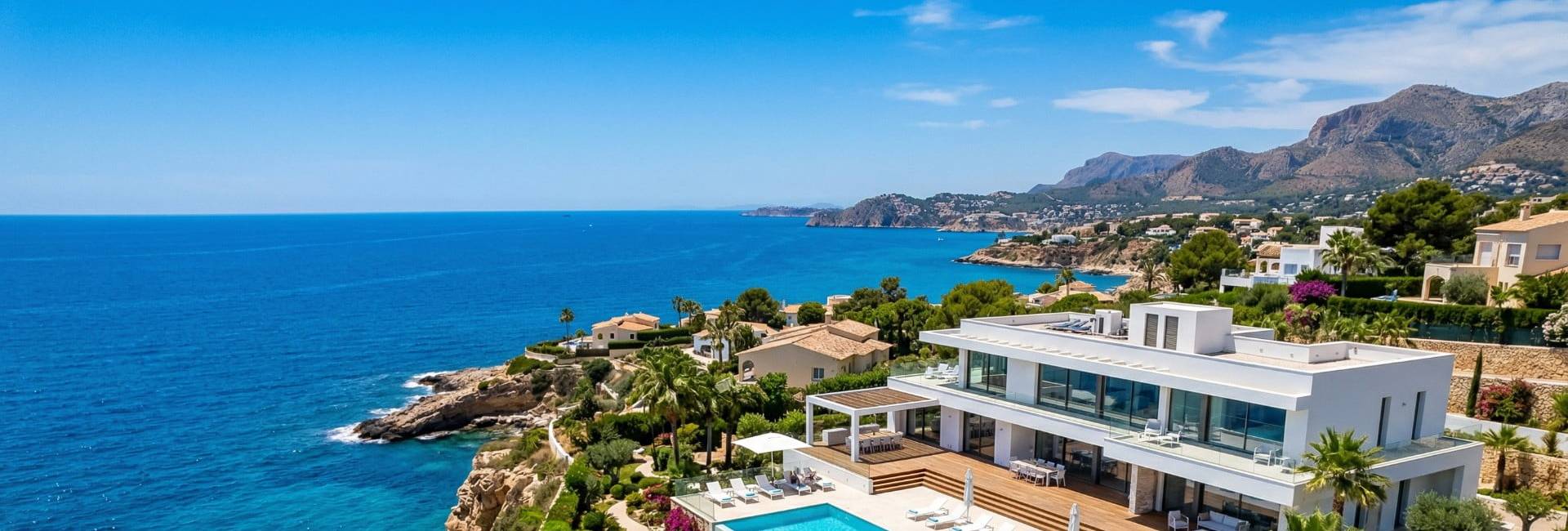
Fuengirola is located in southern Spain, in the province of Málaga (autonomous community of Andalusia), right in the heart of the Costa del Sol. The municipality borders Mijas and Benalmádena to the north and east, and the Mediterranean Sea directly to the south.
Covering an area of just 10.2 square kilometers, Fuengirola is one of the smallest municipalities in the province of Málaga. Despite its limited territory, the city has over 83,000 registered residents—a number that more than doubles during peak season due to the influx of tourists. The landscape along the coastal strip is mostly flat, making walking and cycling easy, while the hinterland rises quickly toward the Mijas hills.
Climate
Fuengirola enjoys a typical Mediterranean climate with mild winters and warm, sunny summers. The city averages over 300 sunny days per year, making its climate one of the most attractive in Europe.
- Summer (June to September): Temperatures average between 28 °C and 33 °C. Sea breezes provide welcome cooling, although humidity can be high in July and August. Rainfall during these months is rare.
- Winter (December to February): Winters are extremely mild with daytime temperatures between 16 °C and 20 °C. Nighttime temperatures rarely drop below 8 °C.
- Spring and Autumn: Very pleasant seasons with temperatures around 22 °C to 26 °C, ideal for outdoor activities and golf. Most rainfall occurs between November and March.
Accessibility, Airport, and Train Connections
Fuengirola boasts some of the best infrastructure connections on the entire Costa del Sol.
Distance to Málaga Airport (AGP)
Málaga-Costa del Sol Airport is located approximately 25 kilometers from Fuengirola city center. By car or taxi, the journey via the AP-7 or A-7 takes around 20 to 25 minutes.
The C1 Commuter Train (Cercanías)
One of Fuengirola’s greatest assets is its direct train link to the airport and Málaga city center.
- Terminus: The Fuengirola station in the city center is the end station of the C1 line.
- Stations in Fuengirola: The train stops at multiple points within the municipality, including Los Boliches, Torremuelle, Carvajal, and Fuengirola Center.
- Travel time and frequency: The train to the airport takes exactly 34 minutes and runs every 20 minutes. A single ticket costs around €3.60.
Distance to Marbella
Fuengirola is located about 28 kilometers east of Marbella. Driving via the A-7 coastal road takes between 25 and 30 minutes depending on traffic. Direct express buses also run frequently between Fuengirola and Marbella bus stations.
Healthcare and Hospitals
Fuengirola and its immediate surroundings feature an excellent medical infrastructure with both public and private healthcare options.
- Centro de Salud (Public Health Centers): Fuengirola has several public neighborhood health centers (such as Centro de Salud Fuengirola Oeste and Centro de Salud Los Boliches) providing general medicine and emergency services.
- Hospital Vithas Xanit Internacional (Benalmádena): Located about a 15-minute drive away, this highly regarded private hospital features a multilingual team (including English, Dutch, and French).
- Hospital Costa del Sol (Marbella): The main public hospital in the region is a 20-minute drive toward Marbella, offering extensive specialized care and an emergency department.
- Hospital Quirónsalud (Málaga / Marbella): Two major private hospitals easily accessible for those with private health insurance.
The Beaches of Fuengirola
Fuengirola offers a continuous sandy coastline stretching over 8 kilometers, divided into seven well-maintained beaches. The entire shoreline is bordered by a wide, palm-lined promenade (Paseo Marítimo). All beaches feature amenities such as sunbeds, showers, lifeguards, and access for people with reduced mobility.
| Beach | Features & Atmosphere |
| Playa del Castillo | Located near the castle and river mouth. Spacious, quieter, featuring a dedicated dog zone and barbecue boats. |
| Playa de Santa Amalia | Adjoins Playa del Castillo and connects to the city center via the Puente de la Armada bridge. |
| Playa de San Francisco | Centrally located near the harbor. Highly popular with families due to calm waters and proximity to shops. |
| Playa de Los Boliches | One of the most popular and vibrant beaches. Very wide sandy beach offering extensive water sports and chiringuitos. |
| Playa de Gaviotas | An extension of Los Boliches, popular among international tourists and long-term residents. |
| Playa de Carvajal | At the eastern edge of the city. Younger atmosphere, known for trendy beach clubs and excellent seafood. |
| Playa de Torreblanca | Quieter beach bordering Carvajal, ideal for those wanting to avoid downtown crowds. |
Things to Do in Fuengirola: Sights & Activities
Fuengirola offers a diverse range of recreation for all ages.
- Castillo de Sohail: The medieval Moorish fortress towers over the coastline. Today, it serves as a viewpoint and venue for open-air concerts and cultural fairs.
- Bioparc Fuengirola: An award-winning zoo known for its 'tropical immersion' concept. Animals reside in recreated natural habitats (such as Madagascar and Southeast Asia) without traditional bars.
- Senda Litoral & Paseo Marítimo: Fuengirola’s promenade is one of the longest in Spain—ideal for walking, running, or cycling along the sea.
- Plaza de la Constitución: The vibrant heart of the old town, dominated by the church Iglesia de Nuestra Señora del Rosario. A gathering spot filled with terraces and shopping streets.
- Yacimiento Arqueológico Finca del Secretario: A Roman archaeological site in the Los Boliches district featuring remains of a thermal bath complex and a fish-curing factory.
- SOHO City Center / Miramar Shopping Center: For shopping, Miramar offers over 140 stores, a cinema complex, and restaurants.
Water Sports and the Harbor
Fuengirola’s harbor (Puerto Deportivo) combines a traditional fishing port with a modern marina. A wide array of water sports activities is available here:
- Jet Skiing and Parasailing: Rentals and organized tours directly from the marina.
- Dolphin Spotting: Boat trips depart daily to observe wild dolphins in the Bay of Fuengirola.
- Stand-Up Paddleboarding (SUP) & Kayaking: Especially popular during calm morning hours along Carvajal and Los Boliches beaches.
- Scuba Diving and Snorkeling: Local diving schools offer excursions to underwater reef structures along the rocky coastal stretches.
- Sailing and Boat Rental: Options to rent motorboats (with or without a license) and catamarans.
Golf in the Surrounding Area
Although Fuengirola’s compact size means it has no golf courses within its municipal borders, it sits at the heart of the Costa del Golf. Top-tier courses are located within a 10- to 15-minute drive:
- Mijas Golf (Los Lagos & Los Olivos): Two championship 18-hole courses designed by Robert Trent Jones Sr., located just behind Fuengirola.
- El Chaparral Golf Club: Located in Mijas Costa, a unique course surrounded by pine forests with sea views.
- La Cala Golf Resort: Spain’s largest golf resort featuring three 18-hole courses (Campo América, Campo Asia, Campo Europa).
- Cerrado del Águila Golf: A varied 9-hole course near Fuengirola center with an extensive driving range and padel club.
- Santana Golf: A beautiful 18-hole parkland course set in the Mijas Valley on a former avocado plantation.
Food and Drink: Best Restaurants
Fuengirola’s gastronomy ranges from traditional Andalusian seafood dishes to international cuisine. Proving espetos de sardinas (sardines skewered on wooden sticks and roasted over charcoal fires on the beach) is an absolute must.
- Traditional & Seafood (Chiringuitos):
- Chiringuito Los Echevarría (Los Boliches): Famous for fresh fish, paella, and traditional espetos.
- La Galería: Located in the center, known for high-quality tapas and modern Mediterranean dishes.
- Los Doce Olivos: Excellent for fish and seafood along the promenade.
- Fine Dining & Modern:
- Restaurante Los Marryus: Gastronomic restaurant focusing on Spanish meat and fish cuisine.
- Charcoal Grill: Known for premium grilled dishes and dry-aged meats.
- International:
- Due to its large expat community, Fuengirola boasts a wide range of Thai, Indian, Italian, and Scandinavian restaurants, particularly around Los Boliches and the city center.
Markets and Shopping
Fuengirola is famous throughout the region for its lively weekly markets, which are among the largest in Andalusia:
- Mercadillo de Fuengirola (Tuesday): Held at the Recinto Ferial (fairgrounds). One of the largest street markets along the coast, offering clothes, leather goods, fruit, vegetables, and crafts.
- Rastro / Flea Market (Saturday): Also at the Recinto Ferial. A massive flea market selling antiques, second-hand items, art, and collectibles.
- Sunday Market: A smaller, tourist-oriented market near the Miramar shopping center.
- Mercado Municipal de Abastos: The covered fresh food market in the center for daily catches of fish, meat, vegetables, and local specialties.
Culture and Events
Fuengirola has a busy cultural calendar that attracts residents and visitors year-round:
- Feria Internacional de los Pueblos (FIP): Held in spring (April/May) at the Recinto Ferial, this multi-day festival sees over 30 countries showcase their culture, folklore, music, and gastronomy in their own 'casetas'. It draws hundreds of thousands of visitors.
- Marenostrum Fuengirola: A major music festival held between May and September on the grounds surrounding Castillo de Sohail, featuring international artists performing outdoors overlooking the sea.
- Feria del Rosario (October): City festivities honoring the patron saint. The week features Andalusian horse shows, flamenco music, traditional dress, and celebrations in fair booths.
- Fiesta del Carmen (July 16): A traditional fishermen’s festival where the statue of the Virgin Carmen is carried in procession to the sea and boarded onto a vessel.
Living and Working in Fuengirola
Fuengirola is one of the most sought-after destinations on the Costa del Sol for expats, digital nomads, and retirees.
Demographics and Community
Over 30% of registered residents are foreign nationals. There are large communities of British, Scandinavian, Finnish, Belgian, and Dutch residents. This is reflected in international schools, foreign supermarkets, and multilingual services.
Working and Business
The local economy relies heavily on tourism, hospitality, construction, and real estate. High-speed fiber internet and convenient train links to the airport have also drawn remote workers and business service entrepreneurs.
Real Estate Market
The property market in Fuengirola is dynamic. Popular neighborhoods for buyers include:
- Los Boliches & Center: Popular for proximity to the sea, shops, and train station (mostly apartments).
- Torreblanca & Carvajal: Offer hillside locations with panoramic sea views, villas, and modern apartment complexes.
- El Boquetillo: A traditional Spanish neighborhood where property prices remain relatively accessible.
Pros and Cons of Fuengirola
Pros
- Excellent Connectivity: Direct train link to Málaga Airport makes owning a car optional.
- Compact and Flat: Unlike many other coastal towns, central Fuengirola is relatively flat and walkable.
- Year-Round Life: Not a winter 'ghost town'; local residents and long-term stayers keep shops and restaurants open year-round.
- Amenities: Wide sandy beaches, great dining, international schools, and strong healthcare.
- Climate: Over 300 sunny days per year with mild winters.
Cons
- Summer Crowds: July and August bring heavy congestion to beaches, the promenade, and roads.
- Parking Issues: Parking downtown and near the promenade is difficult and mostly paid during high season.
- High Density: Dense urban development with high-rise buildings along the coastline detracts from traditional village charm.
- Rising Property Prices: Purchase and rental prices have risen significantly due to strong international demand.
Images