
 en
en




Description
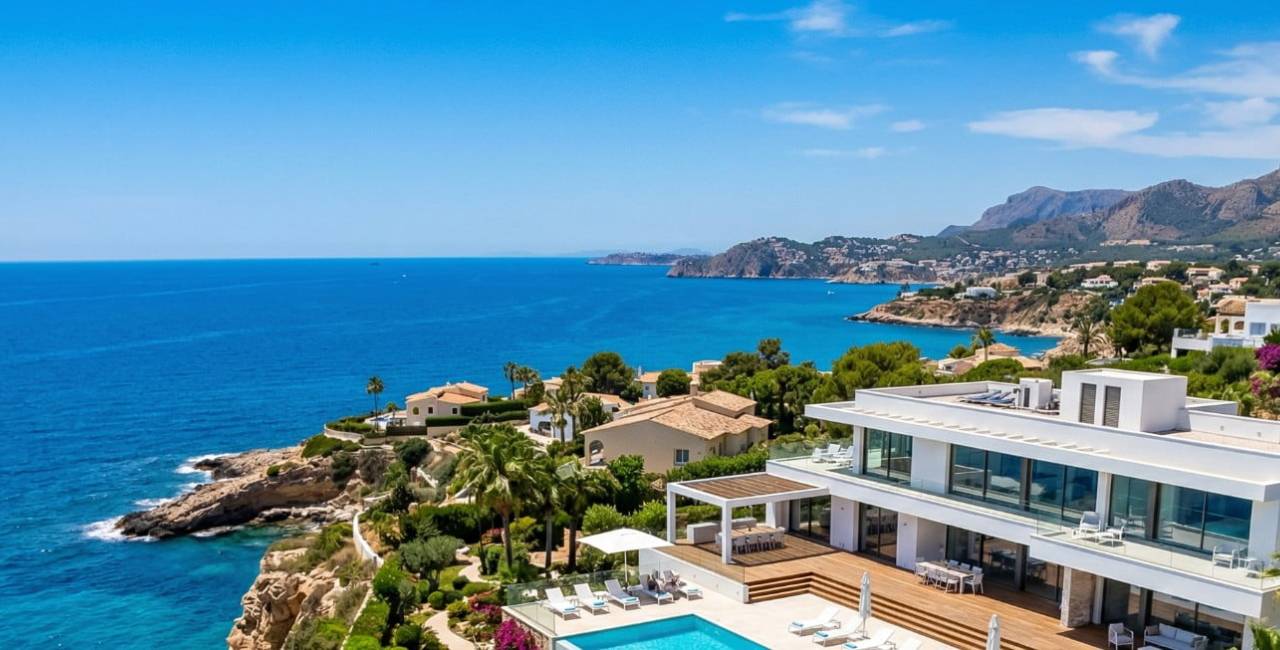
Manilva is one of the most authentic and versatile coastal municipalities on the Costa del Sol. Situated on the far southwestern tip of the province of Málaga, bordering Cádiz, it forms a unique gateway between the vibrant Costa del Sol and the quieter Atlantic coast. It is a place where traditional Spanish charm, sprawling vineyards, modern marinas, and unspoiled beaches come together.
Origins and History
The origins of Manilva extend far back in time. The area was inhabited as early as prehistoric times and the Bronze Age, as evidenced by archaeological finds around the site of Castillo de la Duquesa. During Roman rule, the region played an important strategic and economic role. The Romans established a thriving settlement centered around the fish-processing industry, where the famous Roman fish sauce garum was produced. The remains of the Roman baths (Baños de la Hedionda), whose sulfurous springs were allegedly visited by Julius Caesar himself, stand as tangible proof of this heritage today.
During the Moorish period, the region remained agriculturally significant, but the present-day village of Manilva only emerged in the mid-sixteenth century. It was founded as a hamlet belonging to the higher-lying town of Casares. In 1796, Manilva gained its status as an independent municipality. Historically, the local population relied on agriculture—particularly the cultivation of the famous Moscatel grape—and fishing in the coastal village of Sabinillas. Tourism only began to take off in the second half of the twentieth century, boosted by the construction of the picturesque Puerto de la Duquesa marina in the 1980s.
Location, Climate, and Accessibility
Manilva enjoys a privileged location. Covering an area of approximately 35 square kilometers, it comprises three main centers: Manilva Pueblo (the traditional mountain village located a few kilometers inland), San Luis de Sabinillas (the lively coastal village with its seaside promenade), and Puerto de la Duquesa (the marina and tourist hub).
The climate is typically Mediterranean, boasting over 320 sunny days per year. Summers are warm and dry, with average temperatures ranging between 28°C and 32°C, while winters are exceptionally mild with averages of 16°C to 18°C. Its proximity to the Strait of Gibraltar occasionally brings a refreshing sea breeze.
In terms of accessibility, Manilva is well connected via the AP-7 toll highway and the A-7 coastal highway. Málaga International Airport is approximately a 50-minute drive away (around 95 kilometers). Additionally, Gibraltar Airport is just 25 to 30 minutes away (around 35 kilometers), making travel from the UK or via alternative flights particularly convenient. For highly specialized medical care, the renowned Hospital Costa del Sol in Marbella is about 35 minutes away. Nearby Estepona (10 minutes) houses the modern Hospital de Alta Resolución de Estepona, supplemented by a local Centro de Salud in Sabinillas for routine medical needs, as well as several private clinics.
Residents, Nationalities, and Tourist Occupancy
Manilva has an official resident population of around 18,000 to 20,000 people. Its demographic profile is fascinating and international: approximately 40% to 50% of registered residents hold foreign nationality. The largest foreign demographic consists of British expats, followed by a steadily growing community of Belgians, Dutch, Scandinavians, French, and Germans.
Summer holidaymakers represent a blend of domestic Spanish tourists (from cities like Madrid and Seville) and international visitors from Northern and Western Europe. Occupancy rates during the peak summer months of July and August approach nearly 100%. In winter, short-term holiday rentals experience lower occupancy, but the area remains remarkably lively due to a substantial influx of long-term winter guests. Retirees and digital nomads frequently choose Manilva for its tranquility, mild climate, and year-round facilities.
Gastronomy: Restaurants and Chiringuitos
Manilva’s culinary scene is diverse, ranging from authentic Spanish tapas to refined international cuisine.
- Top Restaurants and Recommendations:
- San Rafael (near Sabinillas): A classic and highly regarded establishment renowned for traditional Spanish meat and seafood dishes and an excellent wine list.
- Macues (Sabinillas): A local favorite for refined Mediterranean dishes and tapas served with a modern twist.
- Parapiro’s (Puerto de la Duquesa): A landmark in the marina for quality Italian dining and wood-fired pizzas.
- El Castillo (near Castillo de la Duquesa): Home to authentic seafood restaurants serving the fresh catch of the day.
- Chiringuitos (Beach Bars):
- Chiringuito Ramos: Situated on Sabinillas beach, locally famous for its espetos de sardinas (sardines grilled over olive wood) and paellas.
- Chiringuito Tubalitas: Located in a quieter spot toward the Cádiz border, ideal for a relaxed lunch with your feet in the sand.
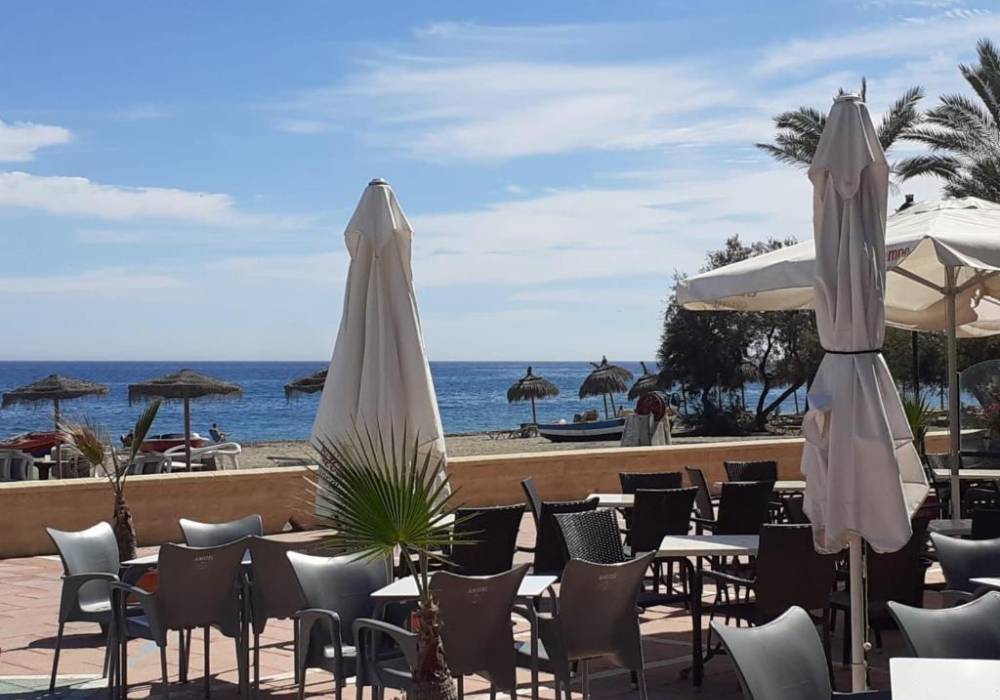
- Las Vela Beach Club: A modern beach venue combining a traditional menu with a contemporary lounge atmosphere and cocktails.
Sights and Activities
Manilva and its immediate surroundings offer a wealth of attractions and leisure activities.
- Sights:
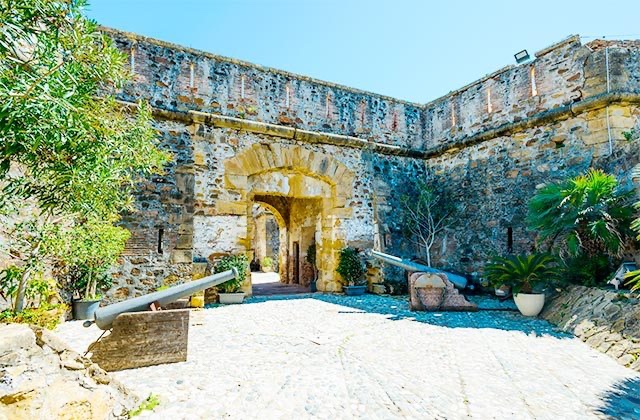
- Castillo de la Duquesa: An eighteenth-century coastal fortress built to defend the region from pirates, now housing an archaeological museum.
- Baños de la Hedionda: Historic Roman sulfur baths featuring constant water temperatures and therapeutic qualities.
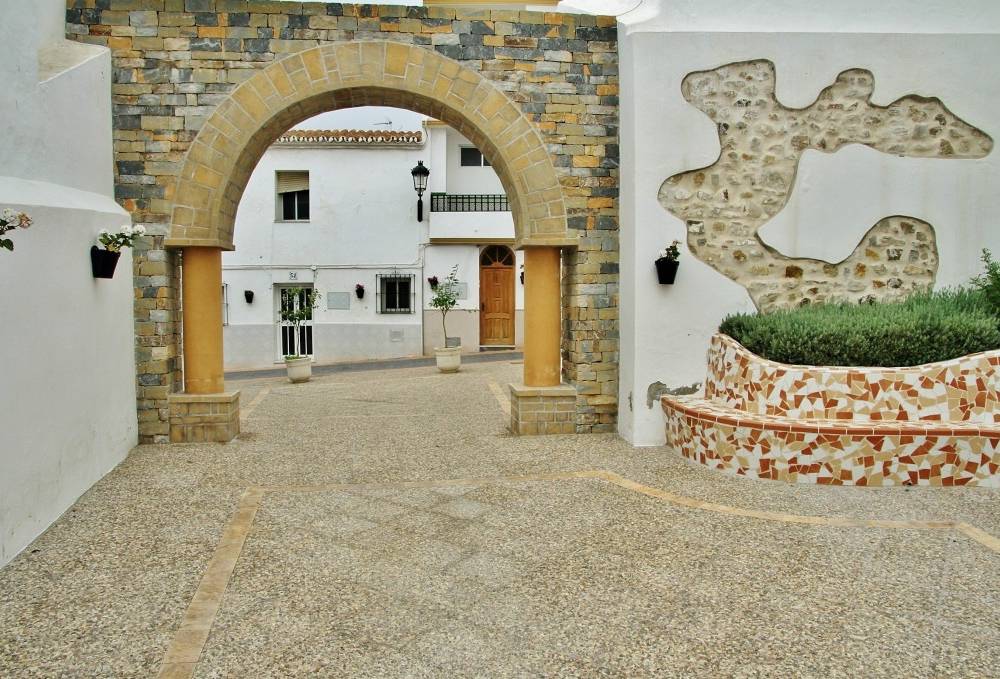
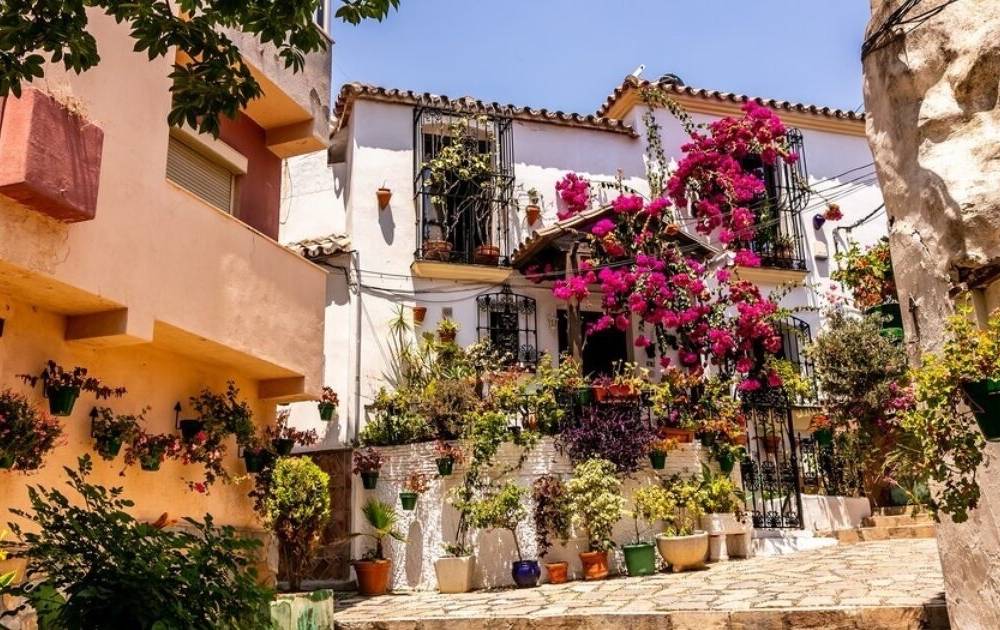
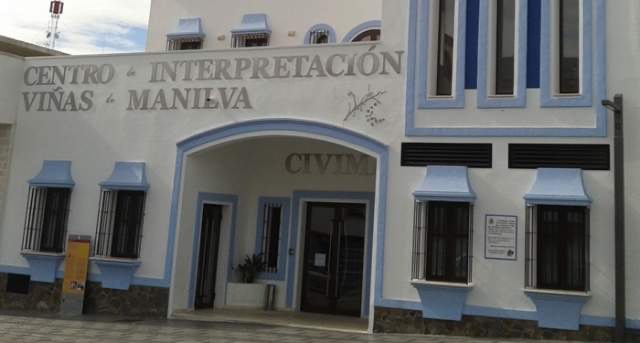
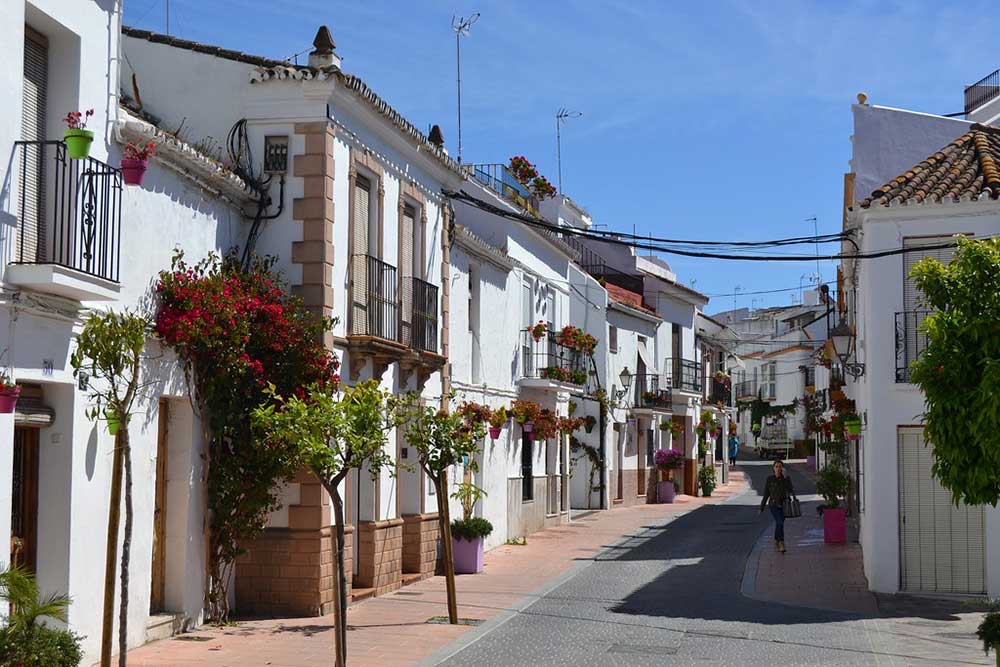
- Manilva Pueblo and the NILVA Wine Museum: A whitewashed mountain village featuring narrow streets, the Church of Santa Ana, and a museum dedicated to the Moscatel grape and local winemaking.
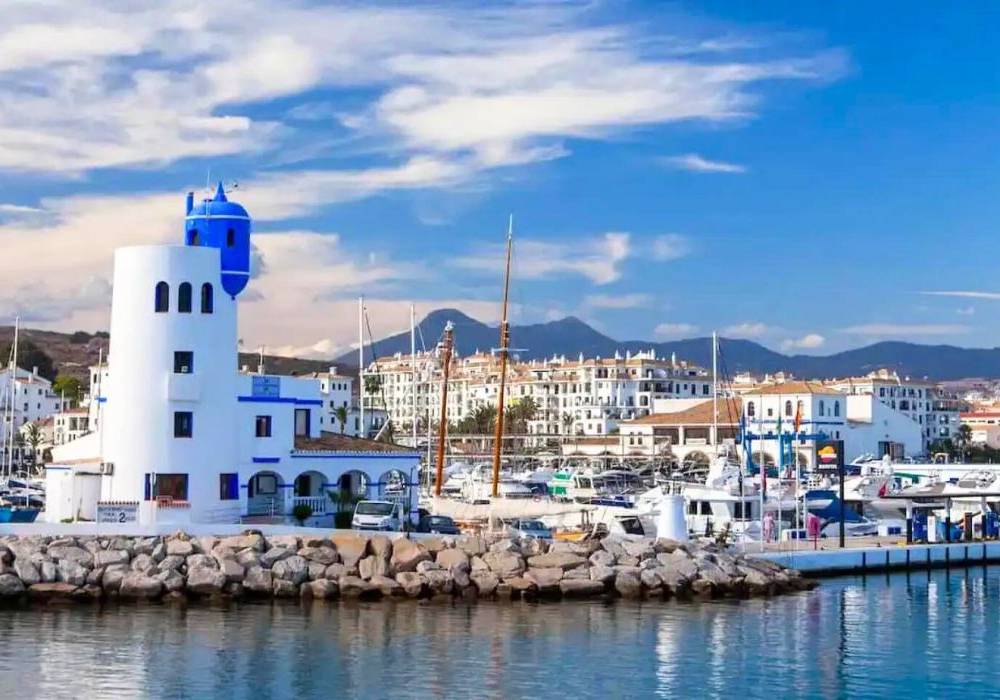
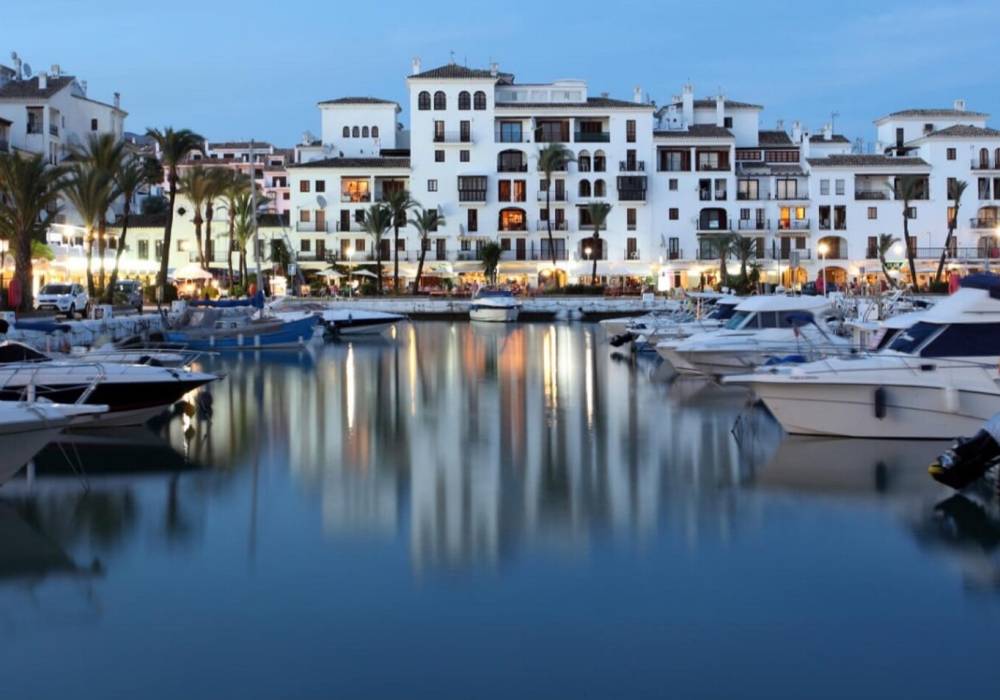
- Puerto de la Duquesa: A charming, non-commercial marina offering an intimate setting surrounded by waterfront terraces and shops.
- Markets:
- Weekly Market (Mercadillo): Held every Friday morning in Sabinillas (next to the promenade), offering fresh produce, clothing, and local goods.
- Flea Market / Brocante: Held every Sunday morning at the ferial grounds in Sabinillas, ranking as one of the largest and most popular flea markets on the western Costa del Sol.
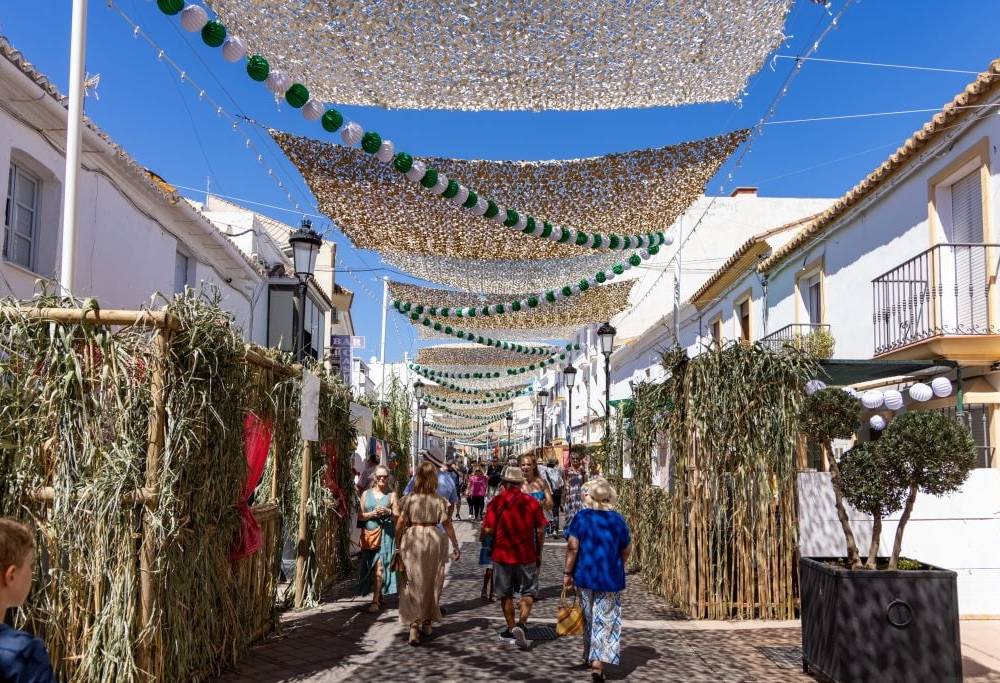
- Craft Market: Held nightly along the Sabinillas promenade throughout the summer months.
- Sports and Leisure:
- Golf: Manilva is an ideal destination for golfers. La Duquesa Golf & Country Club, designed by Robert Trent Jones Sr., is located directly within the municipality. Within a 10- to 15-minute drive, you will also find world-renowned courses such as Valderrama, Finca Cortesín (in Casares), Real Club de Golf Sotogrande, and Doña Julia.
- Water Sports: Beyond swimming and windsurfing, the marina area is great for kayaking, stand-up paddleboarding (SUP), jet-skiing, and sailing. Its proximity to Tarifa (45 minutes) also makes it an excellent base for passionate kitesurfers.
- Hiking and Cycling: The Senda Litoral, a coastal wooden boardwalk and trail running along the entire Málaga province coastline, offers a scenic seaside route. Additionally, the surrounding hills of Manilva and Casares feature various nature trails.
Real Estate and Investment Potential
Investing in real estate in Manilva is compelling for several reasons. Compared to immediate neighbors like Marbella, Sotogrande, and Estepona, price per square meter in Manilva remains significantly lower, providing an accessible entry point for both private buyers and investors.
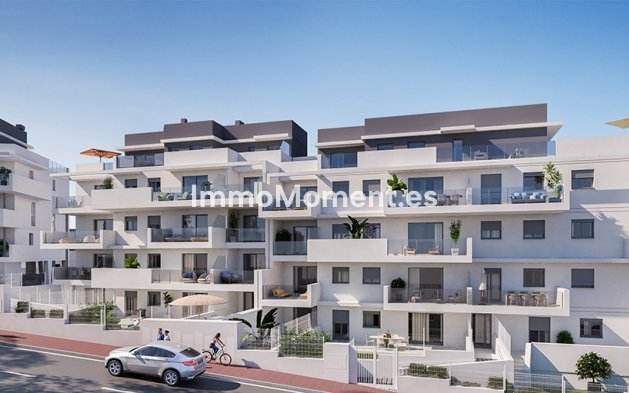
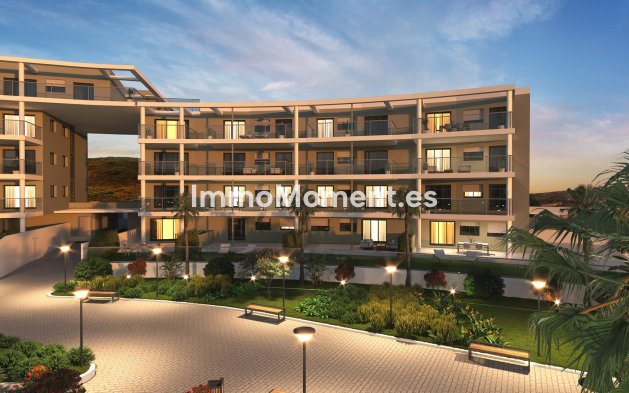
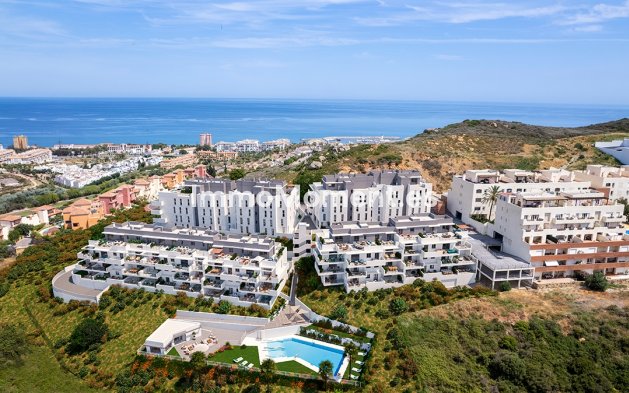
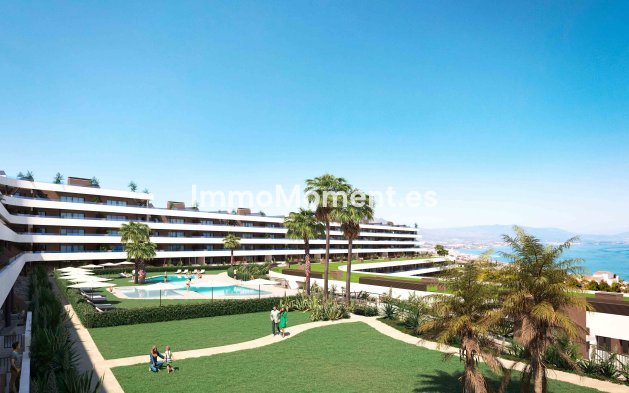
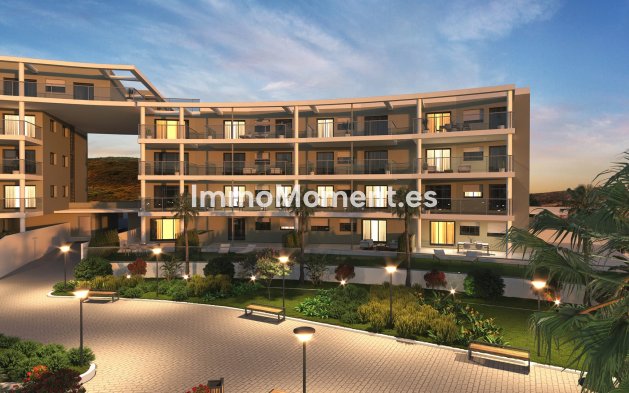
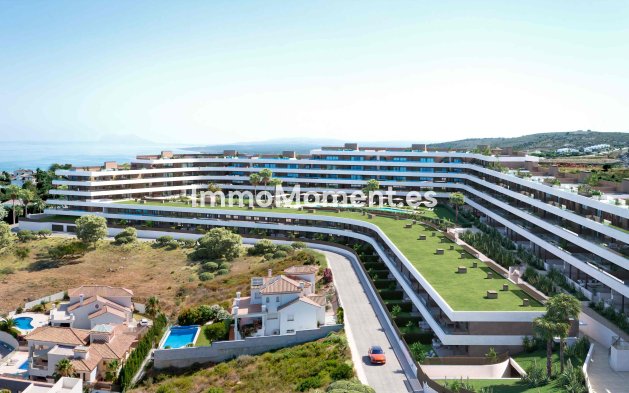
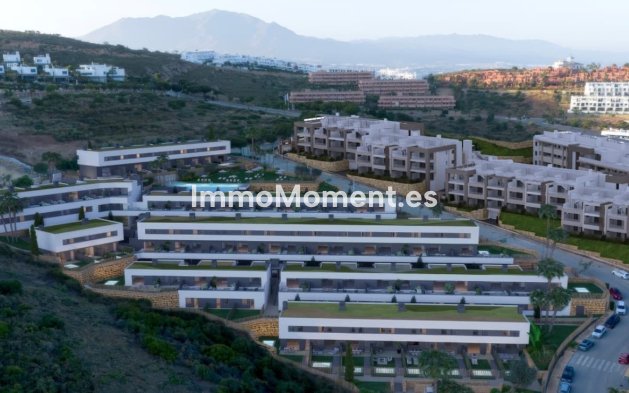
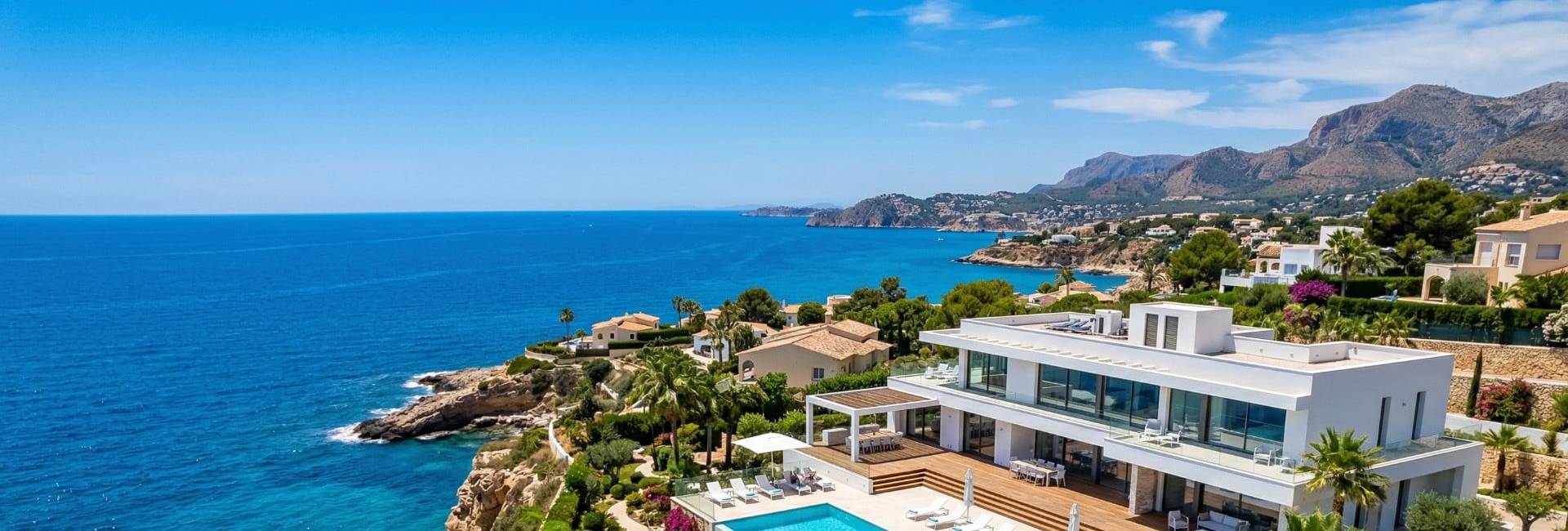
Rental potential is strong. During the summer, families and vacationers drive excellent yields on short-term holiday rentals. In the winter months, there is consistent demand for long-term lets and winter stays from golfers and retirees. Ongoing regional infrastructure enhancements also support steady real estate appreciation. Whether considering a beachfront apartment in Sabinillas, a penthouse in Puerto de la Duquesa, or a modern new-build villa on the hills with sea views, Manilva offers a solid balance between quality of life and financial return.
Images