
 en
en




Description
Guide to Marbella: History, Lifestyle, Neighborhoods & Real Estate
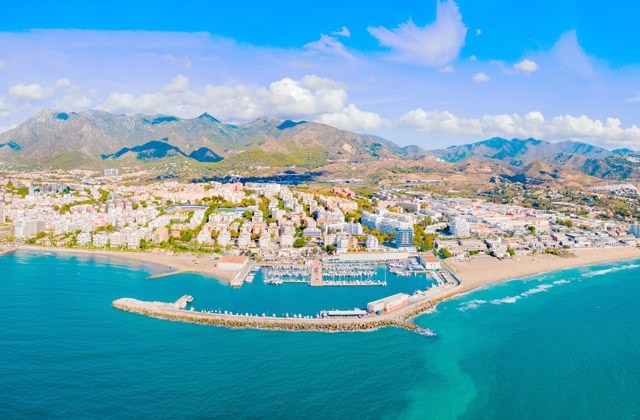
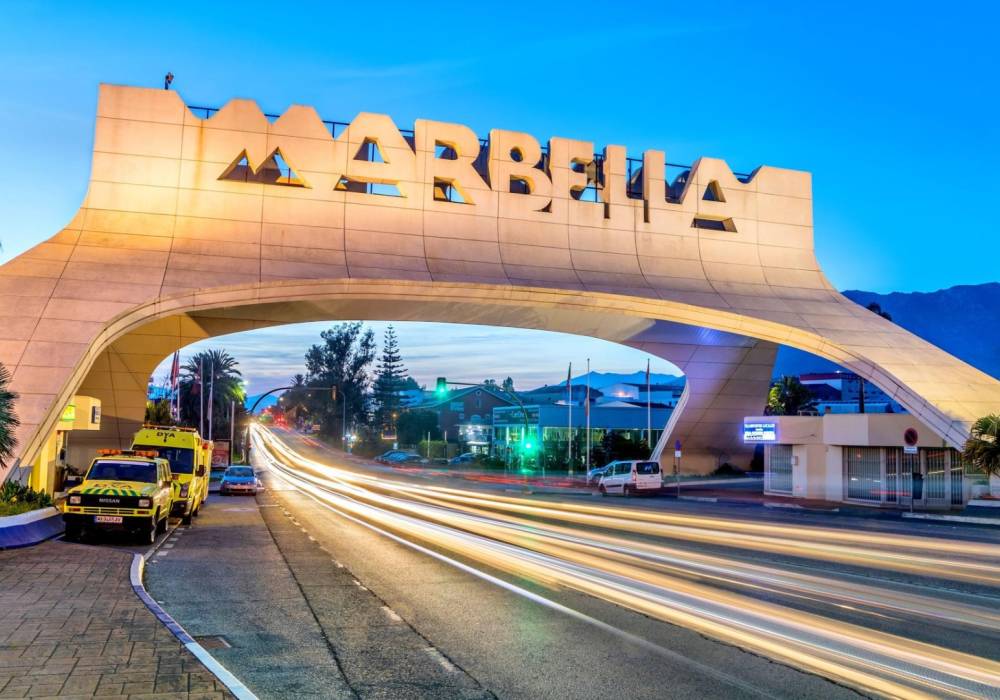
Marbella is much more than just a sun-drenched seaside resort on the Costa del Sol. It is a unique combination of a rich history, a vibrant international culture, world-class medical and sports facilities, and one of Europe's most dynamic real estate markets. In this comprehensive guide, you will discover everything this iconic destination has to offer.
1. Origin & History
The story of Marbella began thousands of years ago. Archaeological finds in the Nagüeles caves show that the area was already inhabited in prehistoric times. The true foundations were laid by the Phoenicians and later the Romans, who named the settlement Salduba. Historic treasures from this era can still be admired today, such as the Roman baths of Las Bóvedas and the Paleochristian basilica of Vega del Mar.
During Moorish rule from the 8th to the 15th century, the city was given the name Marbal-la. To protect the coast against invaders from the sea, the Moors built the impressive castle (Alcazaba) and the surrounding city walls. In 1485, Marbella was reconquered by the Spanish Catholic Monarchs Ferdinand and Isabella. For centuries, it remained a quiet fishing and agricultural village, where the local population lived off fishing and the cultivation of sugar cane, lemons, and olives.
The Transformation into an International Jet-Set Hotspot
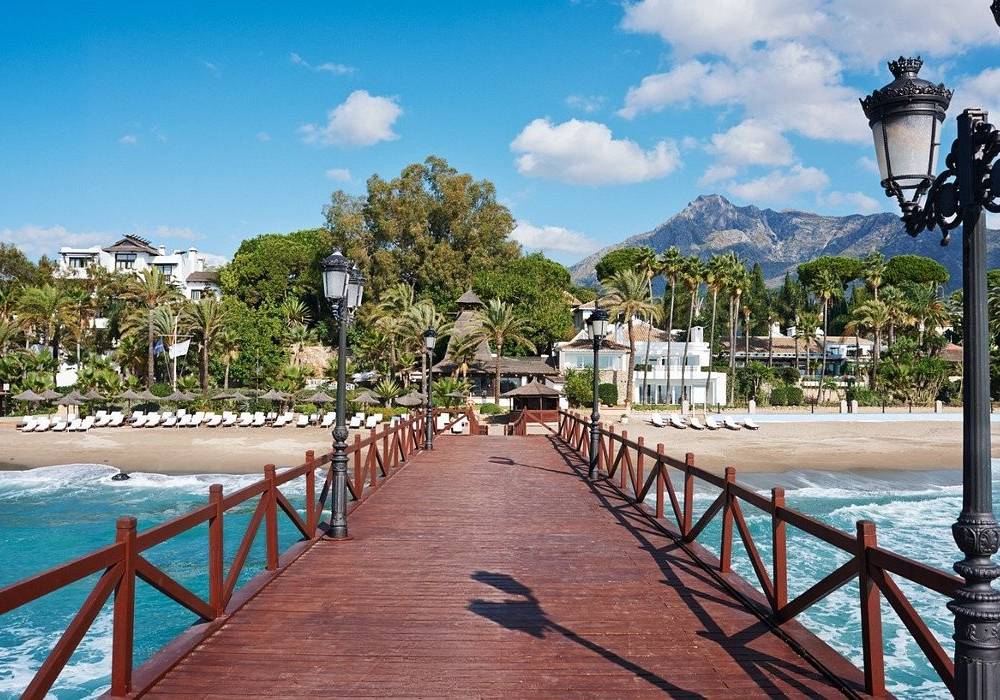
The major turning point came in the 1940s and 1950s. Prince Alfonso von Hohenlohe settled in Marbella and purchased a vast estate along the coast, which he transformed into the legendary Marbella Club Hotel in 1954. Together with Count Rudi von Schönburg, he attracted aristocrats, Hollywood icons, and major stars, including Brigitte Bardot, Cary Grant, and Audrey Hepburn. Overnight, Marbella transformed from a sleepy fishing village into the exclusive playground of the international elite. In the following decades, royal families from the Middle East—such as the Saudi dynasty—also joined the city's regular visitors.
2. Demographics & The International Investor
Marbella has an official population of around 150,000 permanent residents, but during the busy summer months, this number easily swells to over 300,000.
The Population: Approximately 25% to 30% of registered residents are of foreign nationality. This gives the city a distinctly cosmopolitan character where Spanish and English are spoken side by side effortlessly.
Origin of Investors: Traditionally, British, Scandinavian (Swedish, Norwegian), German, Belgian, and Dutch buyers have been the main investors in Marbella. In recent years, there has also been a strong influx of investors from the United States, Eastern Europe, and the Middle East, who are buying second homes, luxury residences, and investment properties.
3. Top Restaurants & Gastronomy
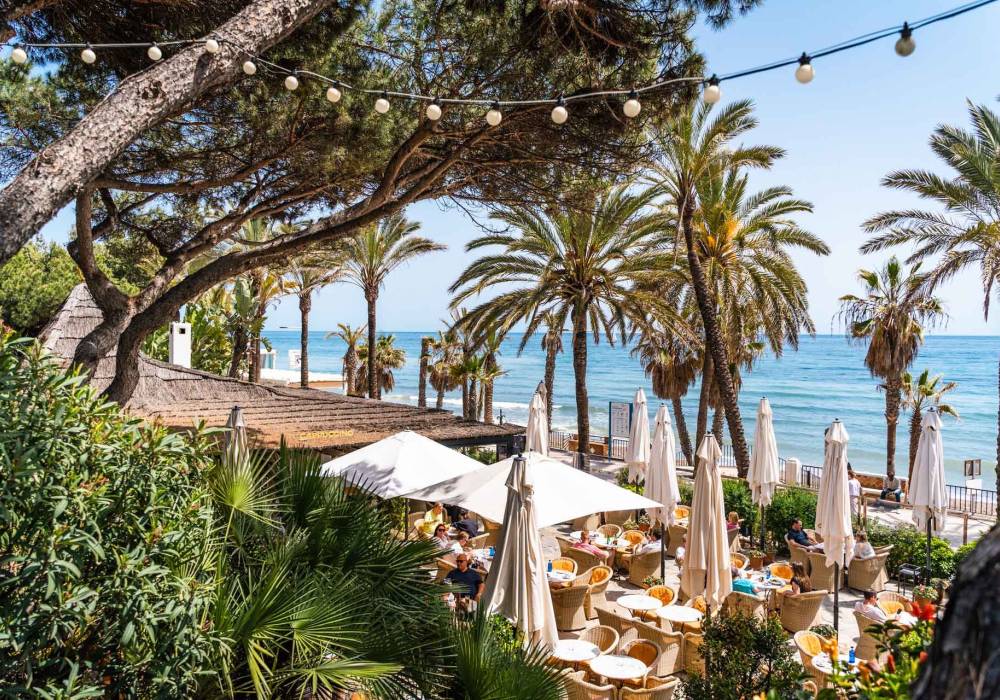
Marbella is an absolute dream destination for food lovers. The city offers a fantastic culinary mix, ranging from traditional beachside chiringuitos to award-winning Michelin-starred restaurants.
Skina (Casco Antiguo): Tucked away in the narrow streets of the old town, this refined restaurant holds two Michelin stars. Chef Marcos Granda serves an innovative and avant-garde interpretation of classic Andalusian cuisine.
Leña & Lobito de Mar (Puente Romano): Famous top chef Dani García has opened several top-tier restaurants in the Puente Romano Resort. Leña is a masterful steakhouse with a breathtaking interior, while Lobito de Mar is known as a modern 'gastro-bar' focusing on fresh fish and seafood.
BiBo (Puente Romano): Also by Dani García. A vibrant, cosmopolitan brasserie where international flavors and Spanish tapas meet in a dynamic atmosphere.
Cipriani (Puente Romano): For lovers of timeless Italian glamour, classic service, and iconic dishes from Venetian cuisine.
El Patio & Grill (Marbella Club): Dine in a enchanting, lush courtyard under the Spanish starry night sky, accompanied by refined, high-quality grilled dishes.
4. Healthcare & Hospitals
In terms of healthcare, Marbella offers medical facilities that rank among the absolute top in Europe. Many hospitals and clinics are fully geared toward international patients and feature multilingual staff.
Hospital Costa del Sol: The region's central public hospital. It is highly regarded for its fast emergency care and high-quality specialized medical services.
Hospital Quirónsalud Marbella: A leading private hospital located right on the coastline. It offers a wide range of medical specialties and full support in multiple languages.
HC Marbella International Hospital: A highly exclusive private hospital known for its personalized care, oncological expertise, and serene, almost hotel-like atmosphere with private gardens.
5. Golf in Marbella: "Valle del Golf"
With more than 30 high-quality golf courses in and around the city, Marbella is rightfully called the golf capital of Europe. The heart of the golf scene lies in Nueva Andalucía, also known as the Valle del Golf (Golf Valley).
Real Club de Golf Las Brisas: Designed by the legendary Robert Trent Jones Sr. One of the most iconic, challenging, and exclusive courses on the Costa del Sol.
Los Naranjos Golf Club: Loved for its wide fairways, large greens, and a particularly welcoming and lively clubhouse where golfers enjoy unwinding after a round.
Aloha Golf Club: A beautiful, classic parkland course that offers players a varied round with spectacular views of the impressive La Concha mountain.
Marbella Club Golf Resort: Located in the hills of Benahavís. This exclusive course was designed by Dave Thomas and offers peace, privacy, and panoramic views.
6. The Harbors of Marbella
Marbella's coastline features four unique marinas, each with its own charm and atmosphere:
1. Puerto Banús: World-famous since its opening in 1970. The world's largest superyachts dock here. The quayside is lined with exclusive designer boutiques such as Louis Vuitton, Dior, and Gucci, interspersed with stylish lounge bars and a bustling nightlife.
2. Puerto Deportivo de Marbella: Located right in the city center. This is a cozy, accessible harbor where locals and visitors gather for water sports, tapas, and drinks by the water.
3. Marina La Bajadilla: Marbella's authentic fishing port. Here, traditional fishing boats dock daily with fresh catches for local seafood restaurants.
4. Puerto de Cabopino: A picturesque, intimate marina on the eastern side of Marbella, surrounded by protected nature and the famous sand dunes of Dunas de Artola.
7. Key Neighborhoods & Zone Analysis
The Golden Mile: The famous 5-kilometer-long boulevard connecting Marbella center with Puerto Banús. This is the most exclusive and sought-after address in the region, home to iconic resorts like the Marbella Club and Puente Romano.
Puente Romano: A luxury resort enclave on the Golden Mile. It is known for its renowned tennis club, top restaurants, the Nobu Hotel, and rare, highly desirable beachfront real estate.
Puerto Banús: Synonym for glamour, superyachts, luxury boutiques, and famous beach clubs like Ocean Club. The apartments and penthouses around the harbor offer ultimate luxury and direct views of the docks.
Nueva Andalucía: The expansive residential villa area directly behind Puerto Banús. Extremely popular with families and golfers thanks to its quiet streets, international schools, top golf courses, and beautiful detached villas.
San Pedro de Alcántara: A charming, authentic Spanish town on the west side of Marbella. It features a modern pedestrian park (El Bulevar), an inviting town center, and the modern coastal district of San Pedro Playa.
Guadalmina (Alta & Baja): A very private and upscale residential neighborhood. Guadalmina Baja directly borders the beach and features large villas on generous plots, while Guadalmina Alta surrounds the renowned Real Club de Golf Guadalmina.
8. Charming Markets
For those wishing to enjoy local culture, artisanal products, and fresh regional produce, Marbella's weekly markets are a must-visit:
Mercadillo de Marbella (Monday): Held at the Las Albarizas fairgrounds. A large and traditional market selling fruits, vegetables, clothing, leather goods, and household items.
Mercadillo de San Pedro de Alcántara (Thursday): Takes place at the Recinto Ferial. A lively market offering a fine mix of fresh regional produce, handcrafted items, and fashion.
Puerto Banús Market (Saturday): Located around the historic bullring (Plaza de Toros). This is one of the busiest and most popular markets on the coast, known for antiques, clothing, bags, and accessories.
9. Sights, Activities & Accessibility
What to see and do?
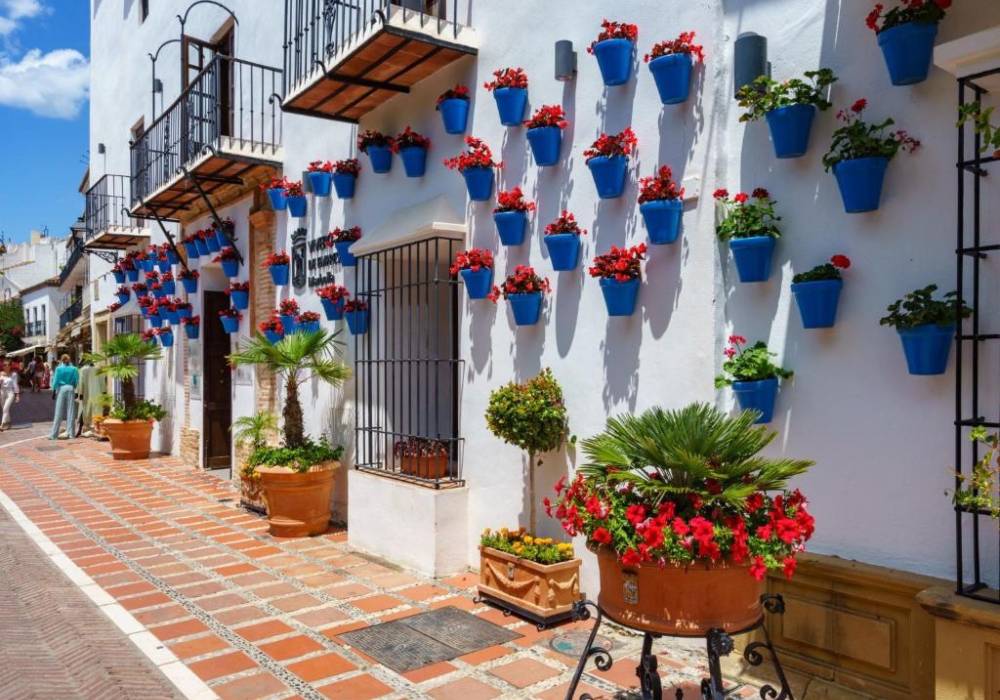
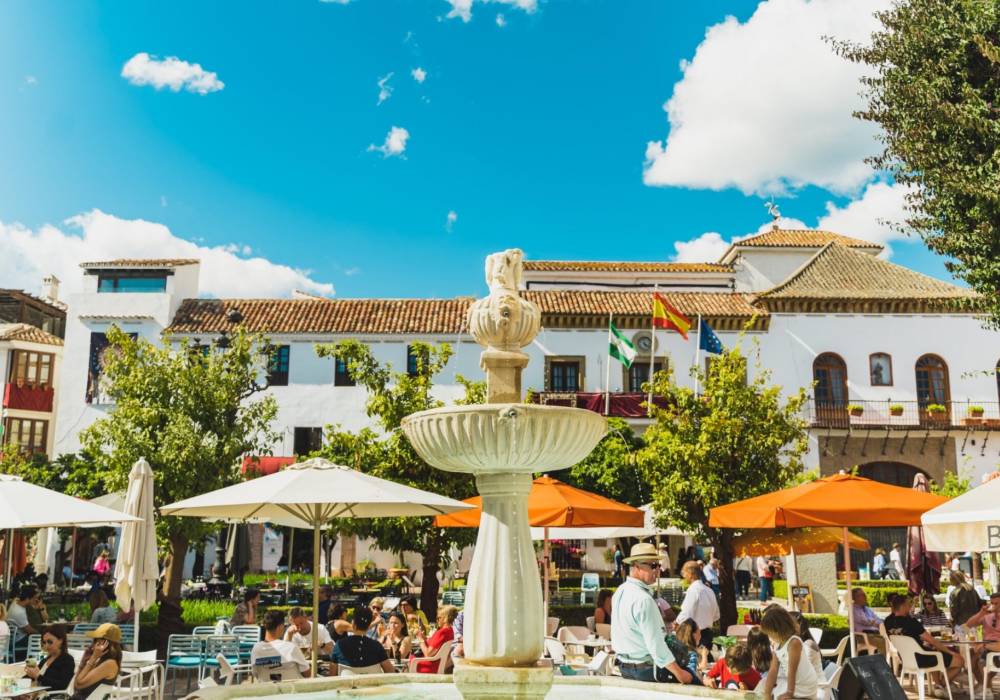
Casco Antiguo (The Old Town): Wander through narrow, whitewashed alleys adorned with blooming bougainvillea and stop by the charming Plaza de los Naranjos (Orange Square) with its 16th-century city hall.
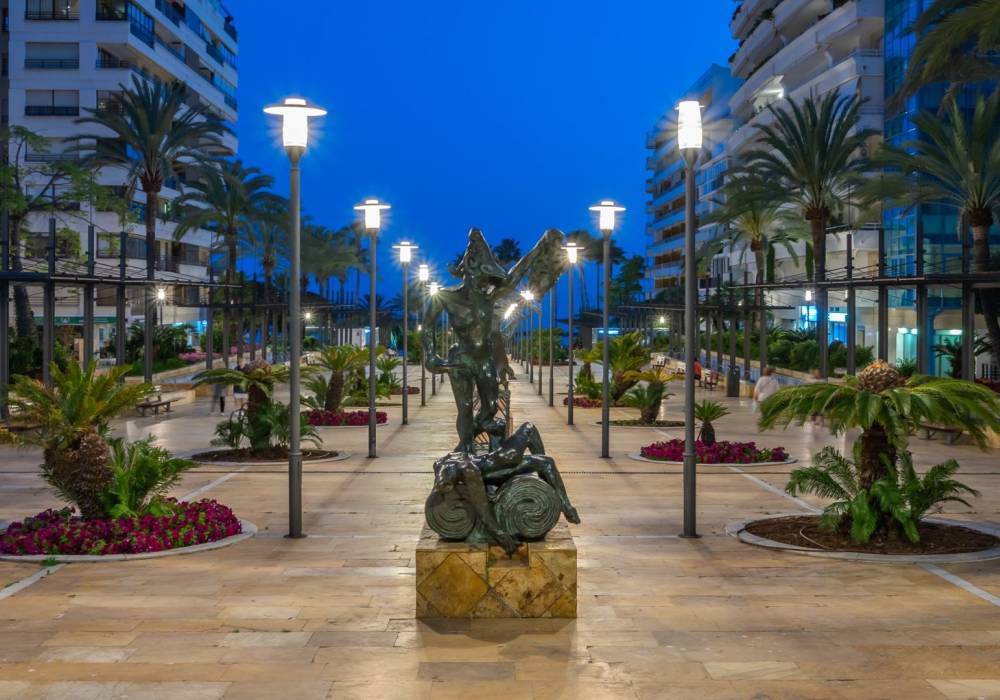
Avenida del Mar: An elegant marble promenade connecting the old town to the beach. Here, you can admire a unique open-air collection of original bronze sculptures by Salvador Dalí.
La Concha: The majestic mountain rising behind the city that creates Marbella's mild microclimate. Active hikers can climb to the summit for breathtaking views across the coastline to Gibraltar and Morocco.
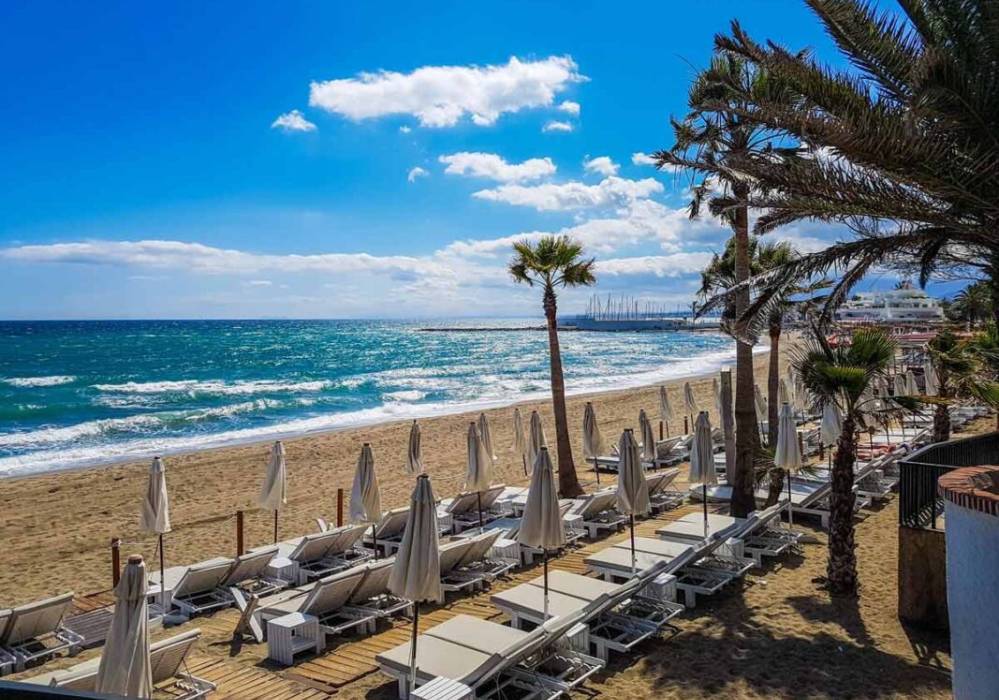
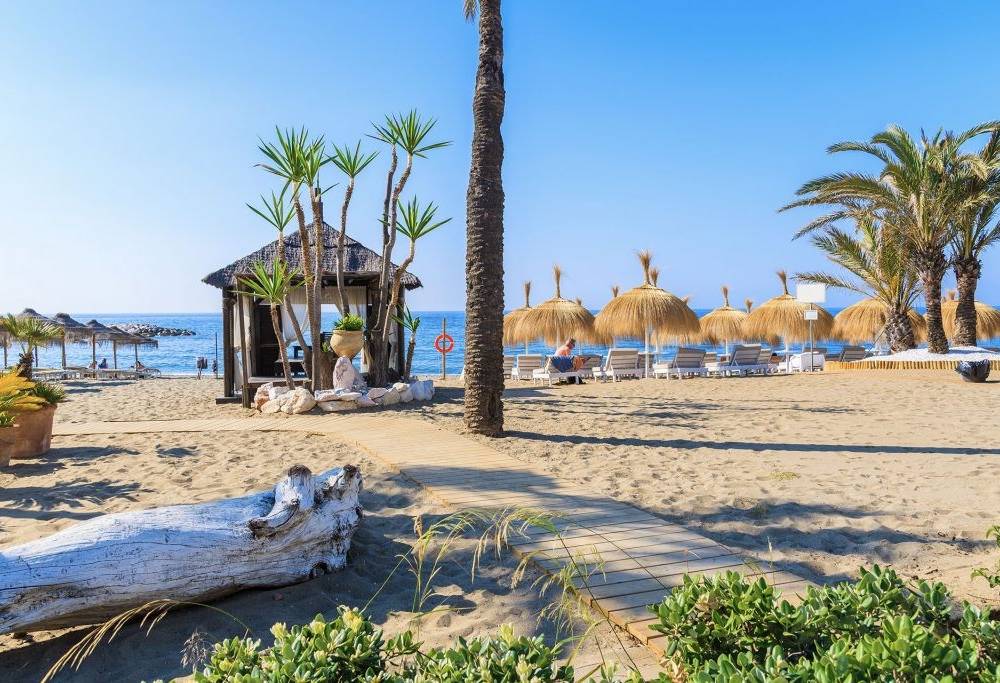
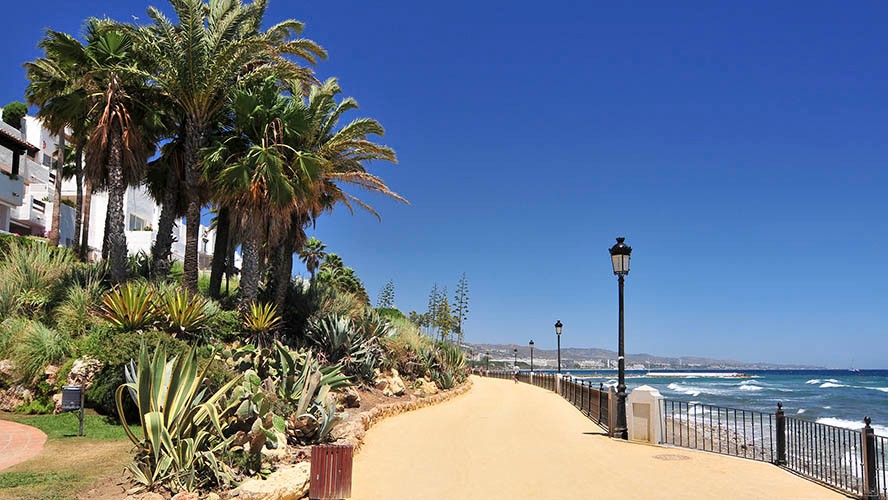
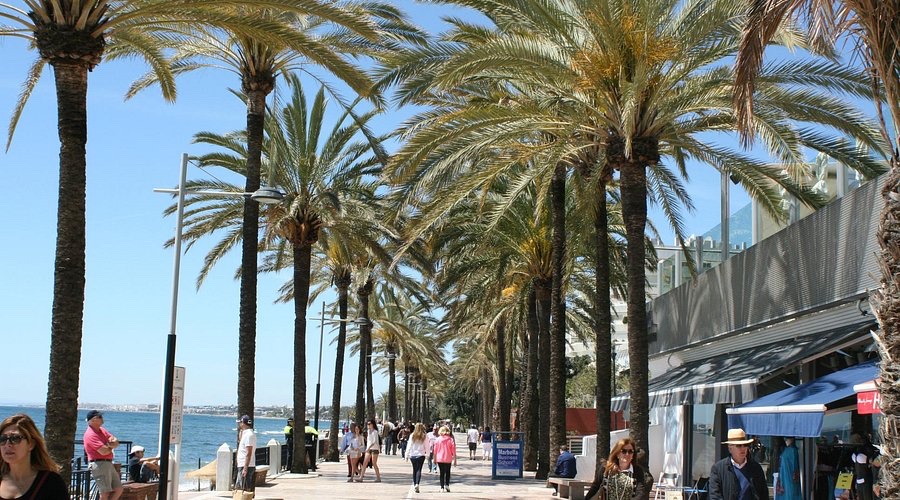
Paseo Marítimo: A multi-kilometer, pedestrian-friendly beach promenade that invites long walks, running, or cycling along the sea.
Accessibility & Airport
Marbella boasts an excellent location with direct connections via the A-7 and AP-7 (toll highway) motorways:
Málaga Airport (AGP): Only 50 km away (approx. 35 to 45 minutes by car).
Gibraltar Airport (GIB): Approximately 75 km away (approx. 50 to 60 minutes by car).
10. Real Estate Investment in Marbella: Is it Worth It?
The short answer is: Yes, absolutely, provided you invest with the right strategy.
Highlights of the real estate market:
1. Guaranteed Demand via Microclimate: With over 320 sunny days per year, Marbella enjoys consistently high seasonal and year-round rental demand.
2. High Property Value Stability: Marbella is a powerful global brand. Prime-location properties (such as The Golden Mile, Puente Romano, and Nueva Andalucía) hold their value exceptionally well, even during global economic fluctuations.
3. Strong Rental Yields: The steady stream of tourists, expats, and digital nomads provides excellent opportunities for both short-term and long-term rentals.
4. Excellent Infrastructure: The presence of top international schools, excellent healthcare, and fast transport links makes the city extremely attractive to affluent buyers and families.
Key considerations for investors:
Licenses & Regulations: When purchasing rental property, always verify local Andalusian regulations and the rules of the specific homeowners' association (Comunidad de Propietarios).
Scarcity in Prime Locations: Because building plots in top locations are scarce, price per square meter is high. Buyers looking for competitively priced new developments with high growth potential can also consider emerging zones right next to Marbella, such as Estepona or Mijas Costa.
Images