

 en






Squatters in Spain (2026 Legal Guide): What Property Owners Need to Know Under the Law
23 Oct
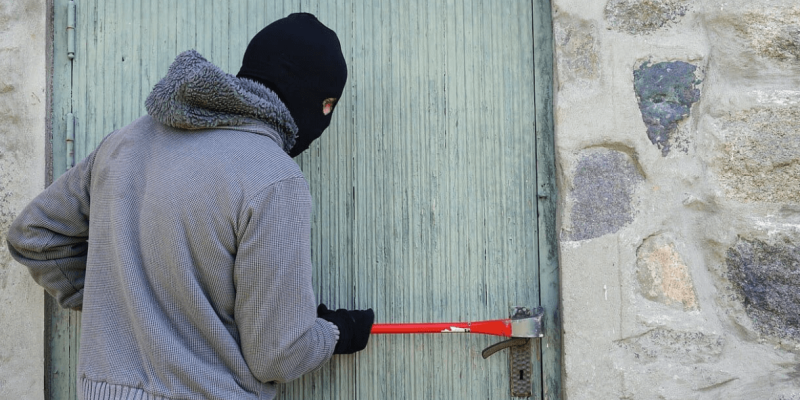
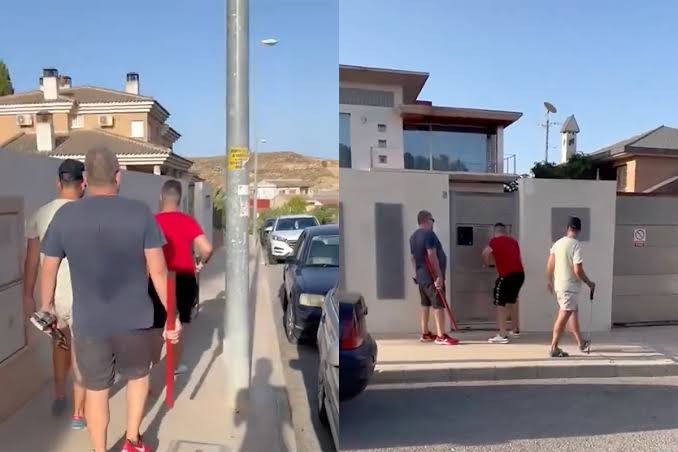
Illegal occupation (okupación) of real estate in Spain remains a significant concern for homeowners, particularly foreign owners with secondary residences along the coast. However, Spain’s procedural framework has evolved. Following the entry into force of Organic Law 1/2025 on judicial efficiency, squatting offenses can now be channeled through expedited proceedings (juicio rápido).
How Spanish Law Classifies Illegal Occupation
Spanish criminal law makes a strict distinction between two legal concepts:
- Braking and Entering (Allanamiento de morada): Applies when squatted property constitutes a primary home or a secondary residence regularly used by its owners. Because this violates domestic privacy, police intervention and eviction are handled with high priority.
- Unlawful Occupation (Usurpación): Applies to long-term vacant properties, unsupplied dwellings, or assets held by corporate entities. This path strictly requires prior judicial authorization.
Fast-Track Trials and the Critical First Hours
Under current criminal procedure guidelines, simple eviction proceedings following an illegal break-in can schedule hearings in as few as 15 days. Nevertheless, rapid physical recovery of the property relies heavily on detection and evidence gathering.
- The 48-Hour Window: When an intrusion is reported immediately upon occurrence (in flagrante delicto), law enforcement officers (Policía Nacional and Guardia Civil) can proceed with eviction without waiting for court warrants.
- Evidence: Monitored alarm systems connected to certified security companies are essential to prove the exact timestamp of unauthorized entry.
Image gallery

Share