

 en






The Hidden Dangers of a Quick Makeover When Buying Property in Spain
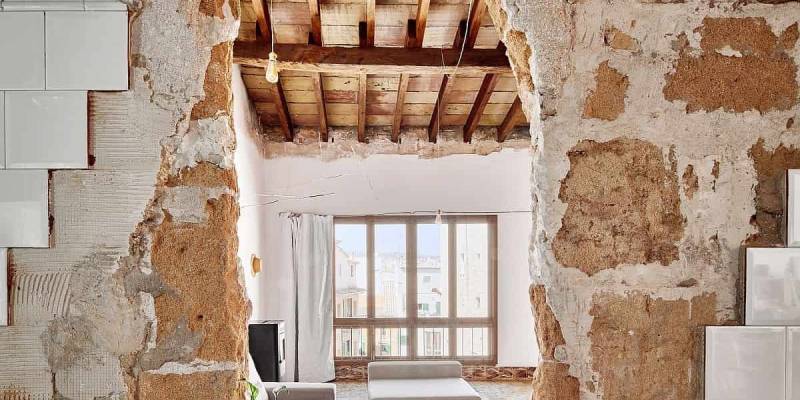
When searching for your dream home in Spain, you will find countless videos and articles about applying for a NIE number or calculating purchase costs. However, one of the most expensive pitfalls is rarely discussed: cosmetic camouflage in resale properties.
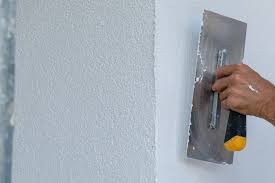
Under the Spanish sun, it is easy to fall for bright white walls, modern floor tiles, and a newly renovated bathroom. The property looks move-in ready and stylish. But be careful: in the Spanish real estate market, a quick makeover is often used to hide serious underlying structural or technical issues.
What Lies Beneath That Fresh Coat of Paint?
In older homes (often built before 2000), sellers frequently carry out superficial renovations just before putting the property on the market. Without a professional inspection, you cannot see what is hidden underneath:
- Outdated and Dangerous Plumbing: Old lead or galvanized iron pipes rust from the inside out, leading to low water pressure or leaks. Old drain pipes under new tiles may also be severely deteriorated.
- Non-Compliant Electrical Wiring: A new power socket does not mean the wiring behind it is safe. Many renovated homes still have outdated fuse boxes, missing grounding cables, or insufficient power capacity (potencia) for modern appliances and air conditioning.
- Concealed Moisture Problems: Rising damp from the foundation or rainwater penetration on exterior walls is common along the coast. A quick layer of moisture-resistant plaster and fresh paint masks mold and damp for a few months, but after the first winter rains, the problem resurfaces.
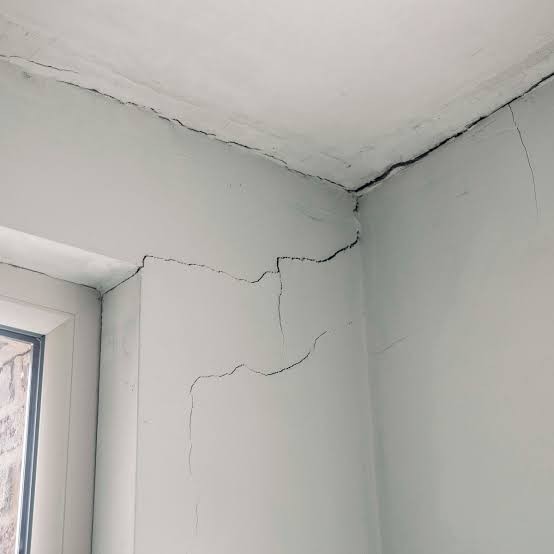
- Structural Faults & Roof Leaks: Cracks in load-bearing walls or leaking flat roofs are often filled and smoothed over without resolving the root cause.
The Legal Catch (Vicios Ocultos)
Assuming that a property that looks new is also technically sound is a major mistake. Under the Spanish Civil Code (Código Civil), the seller is liable for hidden defects (vicios ocultos), but the legal reality is tough:
- Strict Time Limits: Under general Spanish law, you usually have only 6 months from the date of completion (escritura) to claim compensation for hidden defects.
- Heavy Burden of Proof: You must prove that the defect existed prior to the sale and that it was not visible to the naked eye.
- Due Diligence Required: If you fail to perform proper due diligence (such as ordering a survey), claims are often rejected.
How to Protect Yourself
- Hire an Independent Surveyor (Técnico / Aparejador): Before signing a deposit agreement or buying contract, get a full technical survey.
- Request an Electrical Certificate (Boletín): Demand an updated electrical safety certificate to ensure the wiring complies with current safety standards.
- Work with a Qualified Real Estate Agent: An experienced buying agent knows local construction styles, recognizes quick cosmetic touch-ups, and protects your interests throughout the process.
Image gallery
Videos
Share