

 en






Spain’s Red Gold: Why Saffron Is Worth More Than You Think
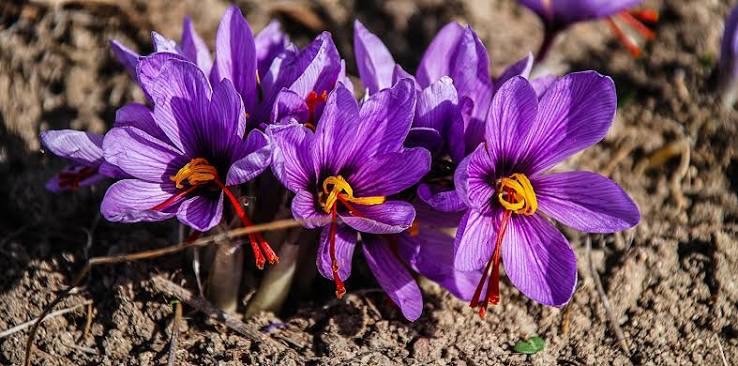
Every autumn, the landscape of Castilla-La Mancha turns a spellbinding purple. Here, local farmers harvest the precious Crocus sativus at first light—an intensive craft requiring up to 250,000 flowers for a single kilogram of saffron. With a market value reaching up to €18,000 per kilo, this spice rightly earns its nickname 'red gold'. Discover the story behind the tradition, the unique harvest in La Mancha, and what this golden ingredient does for your health.
- Formality & Tone: Suitable for a published blog post, lifestyle magazine, or website article.
- Terminology: "Crocus sativus" remains the botanical name in both Dutch and English; "red gold" is the universal translation of azafrán rood goud / oro rojo.
Health Benefits Translation
The Health Benefits of Saffron Saffron is not only known for its rich flavor, distinct aroma, and deep yellow hue in dishes like paella, but it has also been praised for centuries for its powerful medicinal properties: • Rich in antioxidants: Saffron contains potent antioxidants (such as crocin, crocetin, and safranal) that protect cells from oxidative stress and support a healthy immune system. • Natural mood booster: Often called the 'sunshine spice', research suggests saffron can help ease mild to moderate depressive symptoms, reduce anxiety, and stimulate serotonin production. • Supports digestion: Used for centuries as a traditional home remedy to soothe stomach pain, ease bloating, and promote overall digestion. • Enhances memory and cognition: Active compounds in saffron support memory retention and brain function, helping protect against age-related cognitive decline. • Eases PMS symptoms: Saffron helps relieve both physical and emotional symptoms of premenstrual syndrome (PMS), including mood swings, cramps, and irritability. • Promotes eye health: Scientific studies indicate that saffron improves blood flow to the retina and supports eyesight maintenance, particularly in age-related macular degeneration.
Share