
 en
en






Is New Construction Really Better? The Truth About Building Quality (1950 – 2026)
The Complete Evolution and Practice of Building Quality (1950 to 2026)
When you step into a brand new home, your attention is immediately drawn to the sleek kitchen, the high quality flooring, or the luxurious finish of the bathroom. But have you ever stopped to think about what lies beneath the surface? What about the real, structural quality of the building, the soul underneath the finishing layer?
It is a common cliché at birthday parties: "They used to build with real quality back in the day!" But is that nostalgia actually backed by facts?
Today we debunk that myth once and for all. We dive deep into the evolution of building quality from 1950 to 2026 and compare the materials of the past with today's technology, with special attention to concrete, brickwork, YTONG, and the reality of building in Spain.
1. Concrete, Brick, and YTONG Through the Decades
The 1950s and 1970s: Speed Over Science
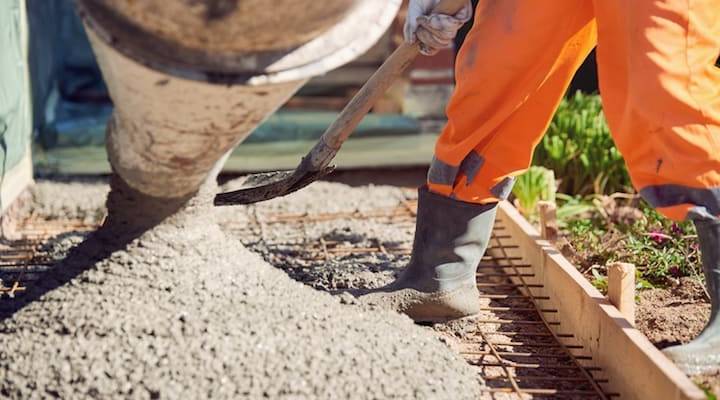
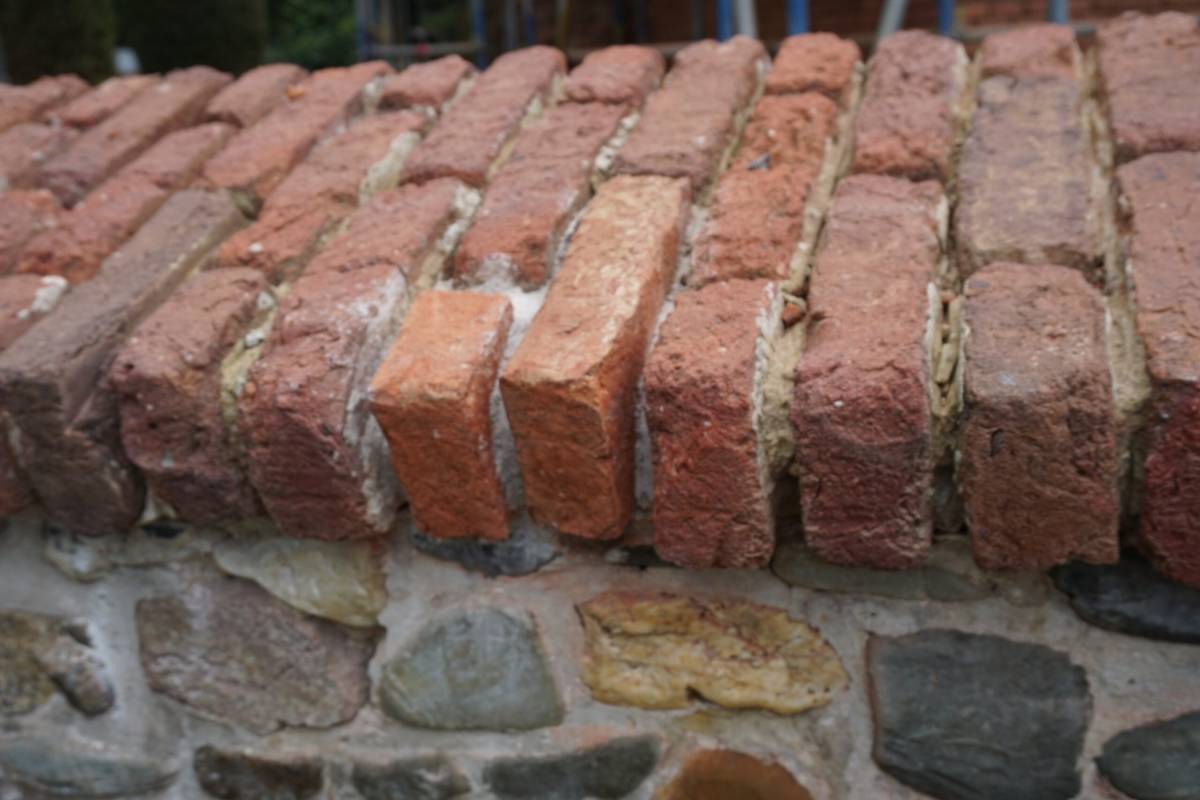
In the 50s, post war reconstruction required rapid building. Concrete was often mixed by hand on the construction site, regularly with coarse gravel or unrefined rubble. The result was a porous structure with low compressive strength, which years later inevitably led to widespread concrete rot.
In the 70s, the drive to build even faster increased further. In Southern Europe, and particularly in Spain, quick hardening aluminum cement (cemento aluminoso) was used on a large scale. This led to the infamous aluminosis crisis: under the influence of the warm, humid Mediterranean climate, the concrete lost up to 70 percent of its strength, causing beams to crack and fail.
The Revolution of 2026: High-Tech Engineering
Fast forward to 2026, after decades of increasingly strict European regulations, such as the updated Código Técnico de la Edificación (CTE). Today's concrete is light years ahead:
- Low CO2 geopolymers replace traditional, environmentally harmful binders.
- Ultra-High-Performance Concrete (UHPC) offers unmatched structural density.
- Self healing bio-concrete uses bacteria to automatically seal microscopic cracks with limestone.
Wall Materials Transformed
- Bricks: In the 50s and 70s, a brick was little more than a solid, baked clay sponge. Today we build with thermo-ceramic blocks that are pre-insulated with rock wool or perlite.
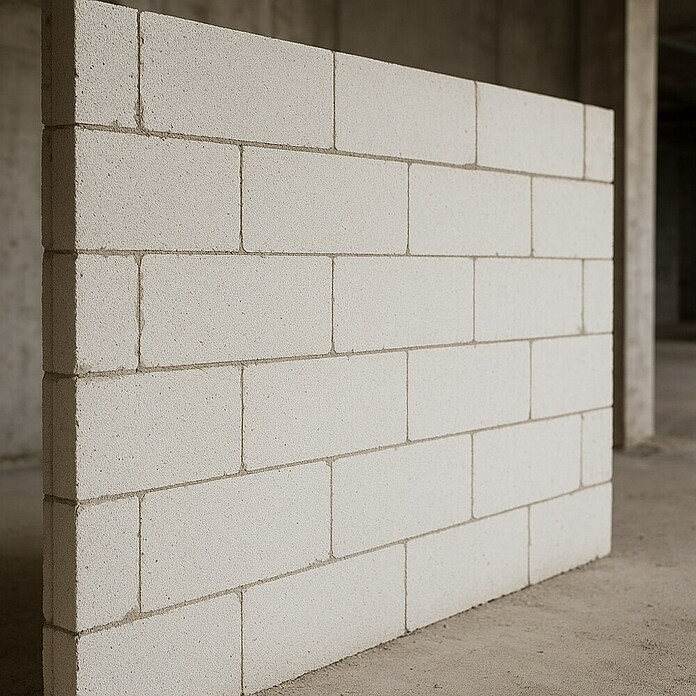
- YTONG (Autoclaved Aerated Concrete): Where YTONG was still seen in the 70s as a fragile and moisture sensitive partition block, it has now evolved into structural, low CO2 building blocks that are extremely fireproof, dimensionally stable, and airtight.
2. The Spanish Reality: Old Prejudices Debunked
A persistent misconception among international buyers is that building quality in Spain is naturally lower. This stereotype stems almost entirely from the rapid, unregulated construction boom of the 70s.
Nowadays, Spanish building standards are among the strictest in Europe:
- Concrete for Coastal Areas: Spanish concrete formulas are enriched with pozzolans specifically designed to withstand aggressive, salty sea air.
- Advanced Insulation: The traditional single hollow brick wall is strictly forbidden for exterior facades and replaced by thermal block systems combined with high quality SATE facade insulation.
- World Class Ceramics: The tile and ceramic cluster in Castellón (near Valencia) is globally recognized as a leader in facade cladding and material performance.
3. Why Do We Sometimes Still See Cracks or Moisture in New Builds?
If the materials of 2026 are so advanced, why do buyers sometimes still encounter fine cracks, unexpected drafts, or damp spots in newly built homes?
The explanation is simple: there is a fundamental difference between theoretical material quality and practical execution on site.
- Shrinkage Cracks: Up to 90 percent of hairline cracks in interior plasterwork are completely harmless settlement cracks or the evaporation of construction moisture. However, if finishing layers are applied too quickly and without the correct mesh, these cracks become visible.
- Moisture and Thermal Bridges: Moisture infiltration or insulation leaks are almost never caused by defective materials. They are the result of human error during installation, such as incorrectly placed waterproof membranes or small gaps between insulation boards.
4. The Crucial Role of Subcontractors and Developers
This brings us to the core of modern building quality: does everything depend on the craftsmen on site?
To a very large extent, yes. A property developer can buy top materials that meet the highest standards, but execution lies in the hands of subcontractors on the construction site. Under high time pressure or with insufficient supervision, mistakes can happen. A top quality insulation board loses its function if a two centimeter gap is left between the boards.
What Distinguishes a Good Developer From a Top Developer?
The key difference between developers today is not in the brand of brick they buy, but in their quality control:
- Daily and strict site supervision by qualified technical architects (Aparejadores).
- Long term partnerships with reliable, certified professionals.
- Mandatory performance testing before handover, including BlowerDoor airtightness tests and infrared thermography inspections.
Conclusion: 1970 Compared to 2026
Comparing a home from the 70s with a new build from 2026 is like comparing a wooden sailboat with a modern cruise ship. In 2026, new construction no longer fails due to poor quality materials, but success stands or falls with the human factor and supervision on site.
Our Advice When Purchasing New Construction
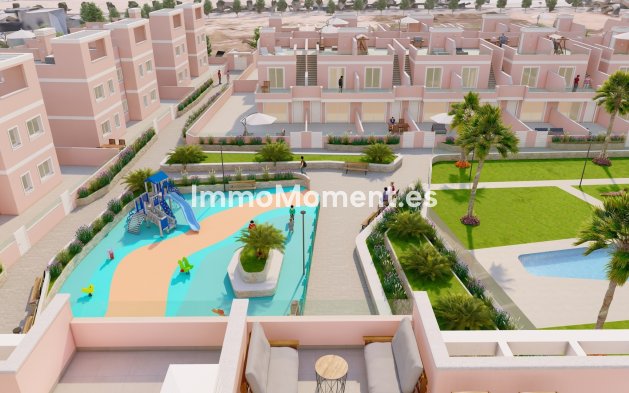
Do not judge a project solely on glossy brochures or hyper realistic 3D images:
- Ask who performs daily inspections on the construction site.
- Inquire about quality control procedures during construction.
- Always have an independent technical expert or legal advisor assist you during the final handover and inspection.
💬 What Are Your Experiences?
Have you recently bought a new build property or do you have questions about site inspections and building standards in Spain? Leave a comment below, we are happy to answer your questions!
Don't forget to subscribe to our newsletter for more expert insights on real estate and construction quality.
Image gallery
Videos
Share